

Blog
Complete BioLongevity Labs Review: Scam or Legit? (2026)
BioLongevity Labs was built by long-time names in the hormone and peptide world and has traded through the 2025 and 2026 shutdowns. Its story, testing record, reputation and complaints, and whether it is legit.

Many of the names researchers trusted in 2023 are gone. Amino Asylum went dark in June 2025, Peptide Sciences closed in March 2026, Strate Labs announced its closure at the end of May 2026, and Eternal Peptides took its store offline in September. The shops still standing after that run have earned a different kind of attention, and BioLongevity Labs is one that comes up often.
It also came into the market from an unusual direction. Most research peptide stores start as a storefront and try to build an audience. BioLongevity Labs started with the audience. The people behind it had spent years teaching hormone, peptide and longevity protocols through books, podcasts and newsletters before the store sold a single vial, and the store still sells the way they taught: long explanations, signature compounds, and a lot of conversation around every launch. This review covers where it came from, what it is known for, what independent testers and long-time buyers say, the complaints worth knowing about, and whether it has earned the trust it asks for.
Who is behind BioLongevity Labs
BioLongevity Labs has three co-founders, and all three are named on the site and in press interviews. One is a best-selling author who has written about testosterone therapy, hormones and peptides for roughly 25 years, with six books out and a peptide skincare company built and sold in 2022. One is a biohacking podcaster and peptide educator who told newsletter readers, the day the partnership was announced, that after watching the industry’s sourcing and supply problems it was time to get involved at the production level. The third is an entrepreneur who spent years as marketing chief of a natural skincare and dental brand co-founded by the entrepreneur’s spouse in 2012.
The name is older than the store. The entrepreneur first started BioLongevity Labs in 2014 as a nootropic supplement brand, then shelved it while the skincare business grew. It came back online in mid-2024 as a peptide and bioregulator company, and made its public relaunch with the other two partners at the end of that year. At that relaunch the founders told a beauty trade publication they expected the business to reach $25 to $50 million in revenue within two years. That is a big number for a research peptide shop, and the brand has carried itself with that confidence ever since.
The company is registered in Akron, Ohio. It lists a practicing family physician as scientific reviewer for its published content and is a member of the American Peptide Association, the trade group that speaks for peptide suppliers on compliance. One grading site that scores vendors on transparency gave BioLongevity Labs the best business-transparency marks of its first batch of graded shops, for named owners, clear policy pages and a named testing lab. For a buyer, that means the people behind the vials have public careers riding on them.
Bioregulators, oral peptides and long-form teaching
Ask a long-time buyer what BioLongevity Labs is known for and the first answer is usually bioregulators. These are the short Khavinson-style peptides, each tied to a particular organ or tissue, that were a niche interest in the United States until a few years ago: Pinealon, Cardiogen, Vesugen, Cartalax, Chonluten, Epithalon and a dozen more. BioLongevity Labs is one of the few American shops that built its catalog around them from the start, and the brand likes to put the distinction plainly: every bioregulator is a peptide, but not every peptide is a bioregulator.
The second thing it is known for is pills and strips. The founders saw early that many interested buyers will never pick up a syringe, so the brand went hard on oral formats: branded capsule blends for gut health, focus, energy and fat loss, bioregulator capsules, and later dissolving BioStrips for BPC-157, GHK-Cu, CJC-1295, thymosin alpha 1 and PT-141 that sit against the cheek. The capsules, creams and other supplements now sell from a separate supplements site, linked from the main store, which keeps the research vials on their own shelf.
Third is the signature longevity line. In November 2025 the store launched Klotho and a follistatin compound sold as FLGR242 as a presale that promised shipping by mid-December. It sits beside a product called Cell Factors and a growing list of research bundles grouped by body system: heart, eyes, immune, digestion, fertility, recovery. Plenty of shops sell BPC-157. Very few have their own named compounds, and the regulars who like BioLongevity Labs tend to mention that first.
Underneath all of it is the teaching. The founders’ approach, as one of them described it on an industry podcast, is that a buyer who has listened to several hours of explanation is ready to order with confidence. So the brand publishes long guides, a bioregulator stacking guide for new customers, a research library reviewed by its physician adviser, and a steady run of podcast and video appearances. Its prices sit at the premium end of the market, and its holiday sales are a regular part of how its customers shop.
Two years through the shutdown wave
BioLongevity Labs relaunched at a moment when the market was about to get much harder. Within eighteen months of its public launch, several of the best-known shops of the previous era had gone quiet or closed outright. Through that stretch BioLongevity Labs kept trading, kept shipping and kept adding to the catalog. It opened the separate supplements site, launched the oral strips, released the Klotho and follistatin line, and grew the bioregulator shelf. Its catalog today runs to more than 75 listings, most of them in stock.
It has also changed how it sells. Early in 2026 the store put its research products behind an account login, so buyers now register before they can check out on the research side. The catalog has shifted with the market, and the weight-research shelf now runs through the brand’s own products and bundles rather than standalone vials of the best-known compounds. What matters is that it has lasted, with the same founders and the same name, at a time when that alone sets a shop apart.
The one thing two years cannot buy is a decade of history, and some directories still file BioLongevity Labs under newer vendors for that reason. The fairer way to see it is a young storefront run by people who are not new at all. Its founders were part of the hormone and peptide conversation long before the research peptide market went mainstream, and the store carries their reputations with it.
Its testing, and what independent labs found
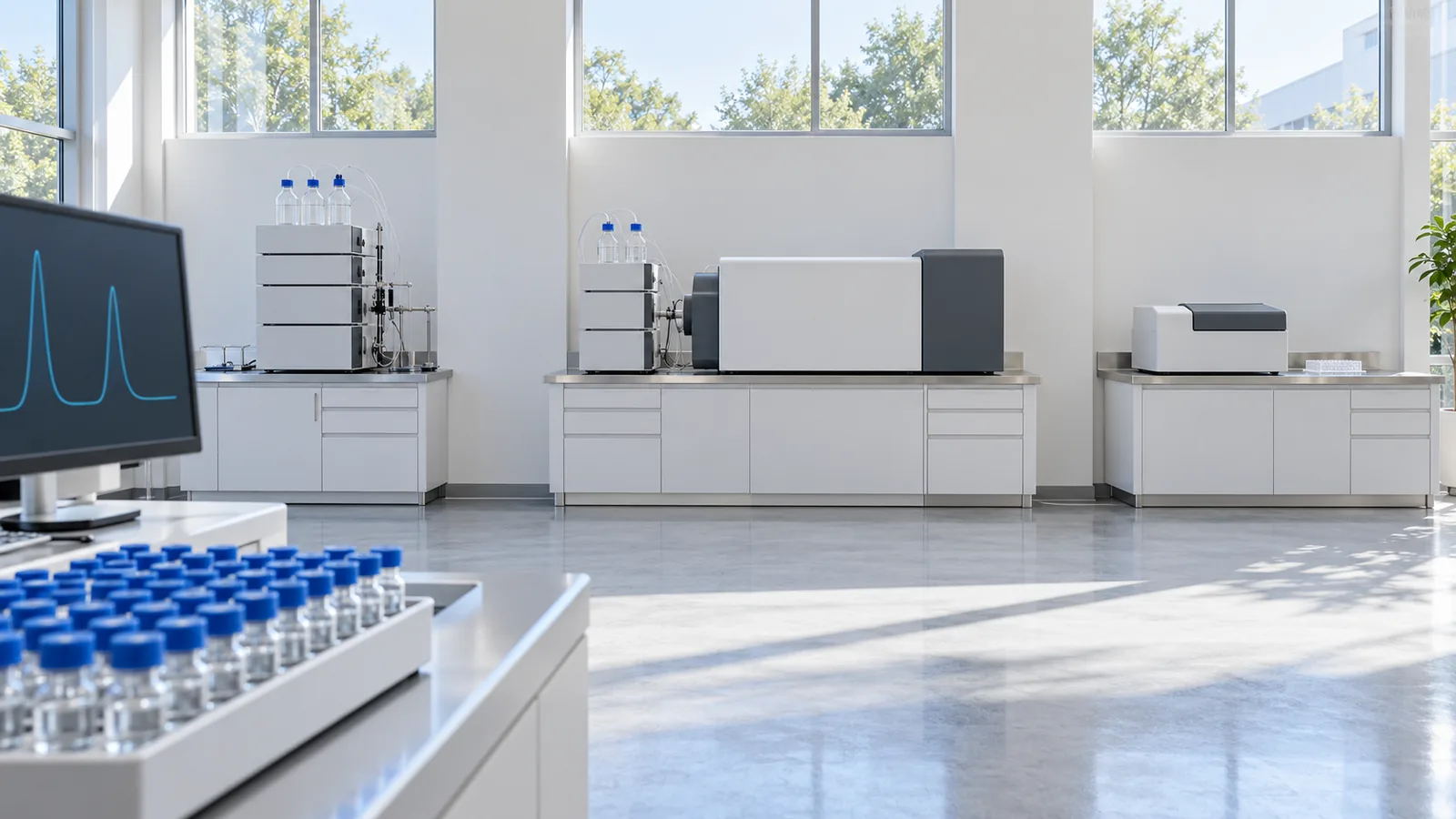
BioLongevity Labs makes one of the boldest testing promises in the market: every compound, it says, goes through three independent certified laboratories, covering purity, identity and contaminants, with sterility and endotoxin work listed on the homepage. Most shops use one lab. Building a brand around three is a statement, and the store backs it with one of the larger public certificate libraries among American sellers. Roughly 360 reports sit on its certificates page, sorted by product and open to anyone before buying, drawn from several different labs over time, with endotoxin results on about fifty of them.
The library has grown with the brand. In January 2025, a few weeks after the relaunch, the certificates page held a handful of reports. Early that year a thread did the rounds from a buyer who said a request for a certificate of analysis had been met with a profane brush-off, and it is still one of the first things critics bring up. The page has grown many times over since, and today a buyer can look up a product’s reports without asking anyone.
The outside view comes from Finnrick, the independent tester that buys vials or takes samples mailed in by buyers and publishes every result. Finnrick has tested BioLongevity Labs 34 times since March 2025, and 25 of those samples passed its strict standard of at least 99.5% purity with the dose within range. The trend is the encouraging part: the brand’s Finnrick rating sat in the mid-30s after its first tests and has climbed steadily to about 71 today, a middle-of-the-market record that is still improving.
The detail is worth knowing. GHK-Cu is its strongest compound in Finnrick’s data, and ipamorelin and PT-141 are steady. Retatrutide samples improved after early purity misses, though the most recent one, from September 2026, came up short. BPC-157 is the one compound with repeated purity misses across 11 tests, and it is the one a careful buyer should watch most closely. The overall shape is a supplier whose results have tightened over time, with one compound still catching up.
What its regulars say
Spend an evening reading what buyers say about BioLongevity Labs and one sentence comes up again and again: the products are legit, just overpriced. That is the community’s settled view, and it is a fairly kind one. Regulars who have ordered for a year or two describe orders that arrive, compounds that behave as expected, and cancellations and reorders handled without fuss. Its bioregulators, nootropic peptides such as Semax and Selank, and its blends get the warmest words. The premium longevity line draws the sharpest price debate; buyers who pay launch prices for Klotho or the follistatin product want clear results for the money, and not all of them feel they got it.
The founders are part of the conversation in a way most vendors’ owners are not. One co-founder in particular has a large, loyal following, and plenty of buyers arrive because of that voice: one regular said they ordered Klotho at launch simply because the founder was so passionate about it. The same visibility draws critics, and threads about the store sometimes turn into arguments about the person rather than the vials. That comes with building a brand on public figures, and it is worth reading around when sizing up the company.
The directories land in the same middle-to-good range. PeptideMind gives BioLongevity Labs 4.0 out of 5 across its reviews, with customer service praised and a hard sell on one fat-loss product criticized. PeptideBenchmark scores it 6.4 out of 10 with high confidence, drawing on Finnrick’s data, and the Peptide Grades site rates it a B: top marks for knowing who runs the company, fewer for matching a single vial to a single report. The common thread is a real, accountable company whose products mostly test well and whose prices ask a lot of the buyer.
The complaints, in proportion
Every busy shop has a complaint file, and BioLongevity Labs’ is public. The first result for the brand name plus the word legit is a January 2026 thread from a buyer who was charged about $100 more than their order total. Support offered to put the difference into the buyer’s store wallet rather than back on their card. When the buyer asked to cancel and get a full refund instead, the order was marked shipped within minutes and the refund was declined, and the buyer took it to their card company. The thread drew dozens of replies, and the store did not answer it publicly. It is one order, but it sits at the top of the search results, so it shapes first impressions.
The second recurring complaint is about how vials look. A few buyers have opened orders to find a small bead or a light scattering of powder instead of a neat cake, and some noticed vials that had not been vacuum sealed. Support’s answer has been that freeze-dried peptide often looks like very little and can collapse into small balls, and that a vacuum is not required. That is true as far as it goes: a 10 mg fill is a small amount of powder, and a collapsed cake is usually a cosmetic issue. But one buyer met it on two orders in a row, had the first replaced, and was refused on the second, and they felt the replies were templated. A buyer in doubt does not have to argue it out: Finnrick will test a mailed-in sample from a US buyer free of charge.
The rest of the file is mostly price and policy. Returns are limited: if the wrong item arrives the store sends a replacement, and unopened products can go back within 10 days with a 15% restocking fee and the return label deducted. Nothing in the record points to missing orders or a shop that takes money and disappears, the failure buyers fear most in this market. The pattern is a premium brand with firm policies and the occasional dispute handled more stiffly than buyers would like, alongside long-time customers who say support has treated them well.
Orders, shipping and support
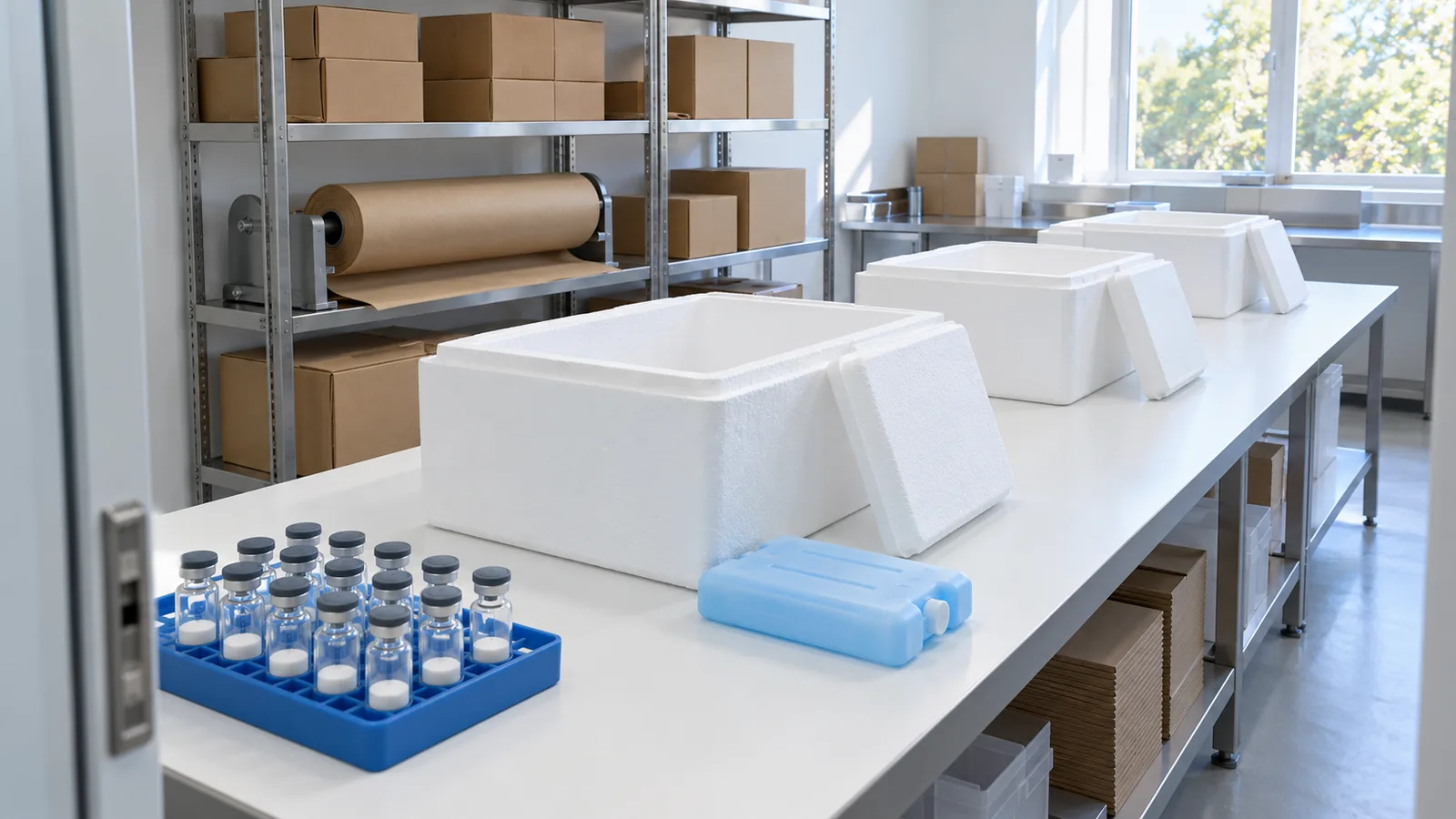
The ordering side works the way a mature shop’s should. Orders placed and paid before noon Pacific on a business day usually leave the same day; later orders go out the next business day. Buyers choose USPS Priority, FedEx 2Day, FedEx overnight with or without a signature, or Saturday delivery for orders placed on Friday morning, and shipping is free on orders over $400. International orders go out with customs paperwork and a research-use declaration. A cold pack is sold as an add-on for buyers who want one; freeze-dried powder handles a normal few days in the mail well, and there is more here on how peptides hold up in transit.
Research products need an account to check out, so a first order starts with registration. Support runs on weekdays from 9 to 5 Pacific by email and phone through the contact page, and wholesale or custom orders go through the same help address.
Before a first order
Start with the address. The store is biolongevitylabs.com, and it is worth typing it rather than clicking the first result, because two other sites use the name: biolongevitylabss.com, with a double s, and biolongevitylabs.online. The main store links to neither, and their offers and policies differ from its own. The Trustpilot page that comes up when people search the brand belongs to the .online site, not the main store. In the busiest complaint thread about the brand, a customer of two years asked first whether the buyer had landed on the wrong site.
Then look up the product. The certificates page lets a buyer pick any compound and read its reports before paying, and it takes a minute. If the reports are unfamiliar, this guide on how to read a peptide certificate of analysis walks through what each line means. For BPC-157 in particular, given its record with independent testers, it is worth reading the newest report closely, and a buyer who wants extra certainty can send a sample from the order to Finnrick for its free test.
Time the order if price matters. BioLongevity Labs runs storewide sales most months, and its regulars openly say they wait for them; the list price is rarely the best one on offer in a given season. When the box arrives, photograph the vials and labels before opening anything, and keep the order emails. If something looks wrong, a clear photo and a quick, polite email get a much better hearing than a long thread, and the record shows the store does send replacements when it agrees there is a problem.
BioLongevity Labs: scam or legit?
BioLongevity Labs is legit. It is a real company in Akron, Ohio, run by three founders who put their names on it and have long public careers in the hormone and peptide world. It has shipped through the two years that closed many of the market’s best-known shops, it keeps a public library of roughly 360 lab reports, and independent testers have passed most of what they have bought from it, with a record that has improved steadily since its first tests. Nothing in its public record describes it taking money and failing to ship.
What a buyer should know going in is just as clear. It is a premium shop, and its regulars say so first. A handful of service disputes have been handled more firmly than buyers liked, and BPC-157 has been its least consistent compound in independent testing. It suits researchers who value bioregulators, oral formats, signature longevity compounds and a brand that explains what it sells, and who are happy to pay for that or wait for a sale. Buyers who shop mainly on price per milligram will weigh it differently, and the guide on where to buy peptides lays out what to compare.
Frequently asked questions
Is BioLongevity Labs a legitimate company?
Yes. It is a registered Ohio company with named founders, it has traded continuously since its 2024 relaunch, and independent testers have passed most of the samples they bought. Complaints center on price and a few service disputes, not on orders that never arrive.
Who is the owner of BioLongevity Labs?
It has three co-founders, named on its About page and in press interviews: a long-time hormone and peptide author who serves as chief executive, a biohacking podcaster and peptide educator, and an entrepreneur from the natural skincare world who first started the brand in 2014. The company itself is registered in Ohio.
Is BioLongevity Labs third-party tested?
Yes. It says every compound goes through three independent labs and posts roughly 360 reports by product. Finnrick’s independent tests have passed 25 of 34 samples, with GHK-Cu the strongest and BPC-157 the least consistent.
Does BioLongevity Labs sell retatrutide?
Not as a standalone vial in its current catalog. It sold retatrutide in 2025, and its weight-research shelf now centers on its own products and research bundles. Simms Research, a newer Florida shop, sells retatrutide as a single compound with batch reports in its lab results library, and the guide on where to buy retatrutide compares the main sellers.
Are there side effects of BioLongevity Labs products?
BioLongevity Labs sells its compounds for laboratory research only and makes no claims about use in people, so it publishes no side-effect guidance. What a buyer can check is the product itself: the reports in its library and, for extra certainty, an independent test of the vial.
What do long-time buyers say about BioLongevity Labs?
Mostly that the products are real and the prices are high. Regulars praise the bioregulators and blends and wait for sales to order; the most visible negative story is a January 2026 billing dispute.
Is there a BioLongevity Labs coupon code?
This review carries no code and no affiliate link. The store runs storewide sales of 30% to 50% around most holidays, affiliate codes circulate widely, and the supplements site gives new customers a welcome discount, so the list price is rarely the only option.
Where are BioLongevity Labs capsules sold?
Capsules, bioregulator capsules, creams and other supplements now sell from the brand’s separate supplements site, linked from the main store’s homepage. Research vials and the BioStrips stay on biolongevitylabs.com.
Where is BioLongevity Labs based, and how fast does it ship?
The company is based in Akron, Ohio. Orders placed and paid before noon Pacific on a business day usually ship the same day, shipping is free over $400, and international orders go out with customs paperwork.