

Blog
Retatrutide vs Survodutide: Weight, Liver and Heart Results Compared (2026)

Survodutide is the other glucagon drug in late trials. Boehringer Ingelheim’s weekly peptide works on two receptors, GLP-1 and glucagon. Eli Lilly’s retatrutide works on those two and adds a third, GIP. Their main Phase 3 obesity trials reported within a month of each other in spring 2026, so this is the first year they can be judged on finished numbers.
Those numbers split them cleanly. On weight, survodutide’s best result is 16.6% at 76 weeks and retatrutide’s is 28.3% at 80. On the heart, survodutide got there first: on November 9, 2026 it became the first drug of its kind to finish a full cardiovascular outcomes trial with no added risk, while retatrutide’s runs until 2029. No trial has put the two against each other, so every comparison below sets separate studies side by side.
Only one of the pair is sold for research at Simms Research: Retatrutide (GLP-3), in 10mg to 60mg vials with a posted lab report. Survodutide isn’t on the shelf.
Retatrutide vs survodutide at a glance
A third receptor and the bigger weight result on retatrutide’s side; a finished heart-safety trial and a deeper liver program on survodutide’s.
| Point | Survodutide | Retatrutide |
|---|---|---|
| Receptors | GLP-1 and glucagon (two) | GIP, GLP-1 and glucagon (three) |
| Developer | Boehringer Ingelheim, from Zealand Pharma | Eli Lilly |
| Code name | BI 456906 | LY3437943 |
| Phase 3 weekly doses | 3.6mg and 6.0mg | 4mg, 9mg and 12mg |
| Obesity, no diabetes | 16.6%, 76 weeks | 28.3%, 80 weeks |
| Obesity with type 2 diabetes | 13.1%, 76 weeks | 20.8%, 80 weeks |
| Stopped over stomach effects | 17.8% to 20.2% | 2.2% to 4.6% |
| Heart outcomes trial | Finished, no added risk (2026) | Running, due 2029 |
| Status | Not approved; filings planned | Not approved; US filing early 2027 |
| Sold by Simms Research | No | Yes, 10mg to 60mg vials |
Weight figures are top doses, counted while people stayed on treatment; the stopping row spans every dose in each main obesity trial.
What is survodutide?
A weekly injected peptide built to act on two receptors at once, GLP-1 and glucagon. It copies the trick of oxyntomodulin, a hormone released from the gut after eating that works on both. GLP-1 curbs appetite and slows digestion; glucagon pushes up calorie burn and helps empty the liver of stored fat.
It came out of a partnership between Zealand Pharma and Boehringer Ingelheim, which licensed it and now runs its development worldwide under the code BI 456906. A C18 fatty acid attached to the peptide slows its clearance, so a single weekly dose is enough (Zimmermann, Molecular Metabolism, 2022). Retatrutide is built differently: a GIP-based backbone with a longer C20 chain and GIP as its strongest signal, covered in the guide to what retatrutide is.
Its Phase 3 program, SYNCHRONIZE, covers obesity without diabetes (-1), obesity with type 2 diabetes (-2), liver fat (-MASLD) and heart safety (-CVOT). A second program, LIVERAGE, tests it in liver scarring.
Survodutide brand name
None yet. A brand name comes with approval, and no regulator has approved survodutide.
Survodutide phase 3 results
16.6% at 76 weeks on 6.0mg without diabetes and 13.1% with type 2 diabetes, and both trials met every main goal.
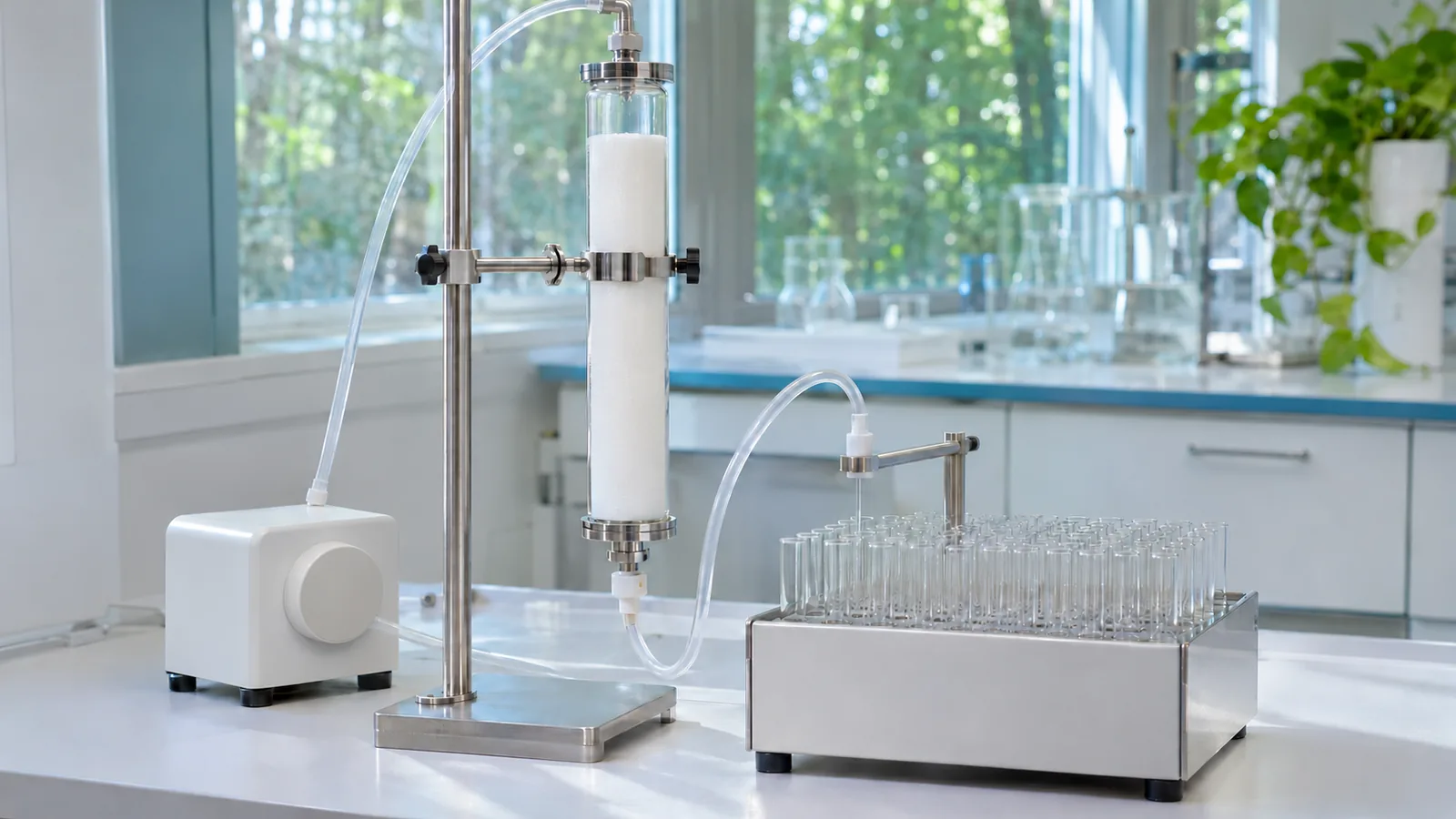
SYNCHRONIZE-1 enrolled 725 adults averaging 108.8 kg (240 lb) and a BMI of 37.9, and gave them 3.6mg, 6.0mg or placebo for 76 weeks alongside diet and activity advice. Among people who stayed on treatment, weight fell 15.3% and 16.6% against 3.2% on placebo. Counting everyone randomized, including those who stopped, the figures were 12.2% and 13.0% against 5.4% (le Roux, New England Journal of Medicine, August 2026). On the higher dose, 28.5% lost at least a fifth of their weight, against 6.6% on placebo, and an MRI group lost 34.0% of the fat around their organs against 11.8%.
SYNCHRONIZE-2 ran the same doses for 76 weeks in 752 adults with type 2 diabetes and a starting A1C of 7.4%. Those who stayed on treatment lost up to 13.1% against 3.1%; counting everyone, 8.2% and 9.8% against 3.9%. A1C dropped 0.8 to 0.9 points against 0.2 on placebo (Wharton, New England Journal of Medicine, October 2026), and up to 29.5% got their A1C back into the normal range against 4.0%. Retatrutide’s own diabetes trials are in the retatrutide for type 2 diabetes guide.
Survodutide vs retatrutide weight loss
Retatrutide comes out about 12 points ahead in adults without diabetes and about 8 ahead in adults with it, in trials of almost the same length and with similar starting weights.
The cleanest pairing is SYNCHRONIZE-1 against TRIUMPH-1, Lilly’s 80-week obesity trial. Both enrolled adults without diabetes, and both started heavy: about 240 lb on average in survodutide’s trial and about 248 lb in retatrutide’s. Among people who stayed on treatment, survodutide 6.0mg reached 16.6% and retatrutide 12mg 28.3%. Counting everyone randomized, the same two doses reached 13.0% and 25.0%.
Taking each trial’s placebo group out widens the gap. SYNCHRONIZE-1’s placebo group lost 5.4% counted that way, more than TRIUMPH-1’s 3.9%, so the drug’s own effect works out to 7.6 points for survodutide and 21.1 for retatrutide.
People with type 2 diabetes lose less on every drug in this class, and the order holds. Survodutide reached 13.1% over 76 weeks in SYNCHRONIZE-2; in TRIUMPH-2, over 80 weeks, retatrutide 12mg reached 20.8% against 4.0% on placebo. The dose-finding trials point the same way: 14.9% after 46 weeks on survodutide 4.8mg (le Roux, Lancet Diabetes and Endocrinology, 2024), while retatrutide 12mg reached 24.2% by week 48. For retatrutide’s checkpoints between those dates, see how long retatrutide takes to work.
Survodutide vs retatrutide for fatty liver and MASH
Survodutide’s strongest ground. Both drugs clear liver fat hard, and survodutide has the larger Phase 3 liver record so far.
SYNCHRONIZE-MASLD gave 6.0mg or placebo to 216 adults with obesity and fatty liver showing signs of inflammation or scarring. After 48 weeks, 84.2% had cut their liver fat by at least 30% against 24.3% on placebo (Kaplan, Nature Medicine, 2026), and 61.0% had brought it under 5%, the level counted as normal, against 5.7%. In SYNCHRONIZE-1’s MRI group, liver fat fell 63.1% against 24.5%.
Survodutide also holds the FDA’s Breakthrough Therapy designation for MASH, granted in 2024, the year its Phase 2 biopsy trial reported; Retatrutide for Fatty Liver: The Liver Fat Results and the MASH Trial Ahead sets that result next to retatrutide’s. Its two LIVERAGE trials are under way in about 1,800 adults with moderate to advanced liver scarring and about 1,590 with cirrhosis, and the first is registered to run to the end of 2031.
Retatrutide’s liver numbers come from a smaller Phase 2 substudy: 82.4% less liver fat after 24 weeks on 12mg (Sanyal, Nature Medicine, 2024). Its Phase 3 liver trial, SYNERGY-Outcomes, is enrolling about 4,500 adults and reports around 2030.
Survodutide and the heart: the SYNCHRONIZE-CVOT result
No added heart risk across 5,530 adults followed for a median of 22 months, the first finished heart-outcomes trial for a drug that pairs GLP-1 with glucagon.
The question mattered because glucagon nudges the heart rate up; in SYNCHRONIZE-1 it rose 3.2 to 3.5 beats a minute by week 76. SYNCHRONIZE-CVOT enrolled adults with a BMI of 27 or more and heart disease, kidney disease or several risk factors, at 524 centers in 34 countries. A major heart event struck 3.7% on survodutide and 4.1% on placebo, a hazard ratio of 0.89 that met the trial’s safety test (Bozkurt, Lancet, 2026).
Systolic blood pressure fell by up to 6.68 mmHg against 1.76 on placebo by week 72.
Retatrutide’s answer is still coming. Its cardiovascular and kidney outcomes trial follows about 10,000 people and is due to finish in February 2029; until then its heart data are the heart-rate and blood-pressure readings from the TRIUMPH trials, collected in the retatrutide side-effects breakdown.
Survodutide vs retatrutide side effects
Nausea, vomiting and diarrhea lead on both, mostly mild or moderate and bunched around each dose increase. The gap is in how many people quit over them: about one in five on survodutide against fewer than one in twenty on retatrutide.
In SYNCHRONIZE-1, stomach effects reached 89.7% of people on 6.0mg against 47.9% on placebo, and 17.8% on 3.6mg and 20.2% on 6.0mg stopped because of them, against 2.9%. The big heart trial repeated the pattern: nausea in 49.0% against 12.1%, vomiting in 34.0% against 4.8%, and 20.8% stopping on the higher dose over stomach effects against 1.9%.
In TRIUMPH-1, retatrutide 12mg brought nausea to 42.4% against 14.8% and vomiting to 25.3% against 4.8%. Stomach effects were the most common reason to stop, at 2.2% to 4.6% across the three doses against 1.2% on placebo, and 11.3% stopped on 12mg for any side effect against 4.9%. Retatrutide has one effect of its own that its trials track closely: dysesthesia, a pins-and-needles or tender-skin feeling, in 12.5% of people on 12mg against 0.9%, usually mild and fading while dosing continued.
Survodutide dosage vs retatrutide dosage
Survodutide tops out at 6.0mg a week in Phase 3 and retatrutide at 12mg. The milligrams don’t compare across the two, since each molecule has its own strength at each receptor.
Survodutide’s dose-finding trial climbed fast, raising the dose every two weeks over 20 weeks up to 4.8mg, and stomach effects reached 75% of people on it against 42% on placebo. Phase 3 slowed the climb to 3.6mg or 6.0mg and let people pause or step back a level for two to four weeks when stomach symptoms hit (Wharton, Obesity, 2025).
Retatrutide’s ladder begins at 2mg, with a step every four weeks: 4mg, 6mg, 9mg, then 12mg. The retatrutide dosage chart has the whole ladder with amounts for each vial size, and the retatrutide calculator gives the syringe units for any weekly dose.
Survodutide vs retatrutide vs tirzepatide
Counted the same way, survodutide lands below tirzepatide and retatrutide above it.
Tirzepatide pairs GIP with GLP-1, leaves glucagon out, and is the one of the three already approved, sold as Zepbound and Mounjaro. In SURMOUNT-1 its 15mg dose reached 20.9% after 72 weeks, counting everyone randomized, with placebo at 3.1%. On that same count, survodutide 6.0mg reached 13.0% over 76 weeks and retatrutide 12mg 25.0% over 80.
Read across the three, glucagon with GLP-1 did less for weight than GIP with GLP-1, and all three signals together did the most. The test that will price glucagon’s share directly is TRIUMPH-5, which gives retatrutide and tirzepatide to matched groups in one trial. Until then, the retatrutide vs tirzepatide comparison lines up their separate results at each dose. The tirzepatide molecule is sold at Simms Research as Tirzepatide (GLP-2).
Is survodutide FDA approved?
Not yet, in the US or anywhere else. With all four SYNCHRONIZE readouts in hand, Boehringer is moving ahead with obesity filings around the world, a plan it confirmed on November 9, 2026. The FDA had already given survodutide Fast Track status in 2021 and Breakthrough Therapy status for MASH in 2024.
Retatrutide has a date: Lilly expects to file with the FDA in the first quarter of 2027, and When Will Retatrutide Be FDA Approved? follows the timeline from filing to pharmacy shelves.
Survodutide or retatrutide: which comes out ahead?
On weight, retatrutide. It leads in every trial that can be lined up, with and without diabetes, by 8 to 12 points on the scale, and far fewer people stopped it over stomach effects.
Survodutide’s case rests elsewhere. It has a finished heart-safety trial that retatrutide won’t match until 2029, a Phase 3 liver-fat result in people with at-risk fatty liver, and two large scarring trials under way.
Simms Research sells Retatrutide (GLP-3) for research at $84 for 10mg, $129 for 20mg, $159 for 30mg and $259 for 60mg, so a milligram costs $8.40 in the smallest vial and $4.32 in the largest. The July 16, 2026 certificate found 10.68mg in a vial labelled 10mg, 6.8% over the label, 99.611% pure by HPLC, with LC-MS confirming the molecule; the full report is posted under retatrutide lab results.
Frequently asked questions
Is survodutide the same as mazdutide?
No. Both pair GLP-1 with glucagon, but they are different molecules from different companies: survodutide from Zealand Pharma and Boehringer Ingelheim, mazdutide from Lilly and Innovent Biologics, approved in China since 2025. Mazdutide vs Retatrutide: Dual Agonist vs Triple Agonist Trial Results sets mazdutide’s trials against retatrutide’s.
Can survodutide and retatrutide be stacked?
Nobody has tested the pair. Both work on GLP-1 and glucagon, so together they would hit the same two receptors twice.
Does Simms Research sell survodutide?
No. Its two weight-research peptides are Retatrutide (GLP-3), the triple agonist, and Tirzepatide (GLP-2).
Is Simms Research legit?
Its record is open to check. Each certificate of analysis Simms Research posts is issued by an independent ISO-certified lab and opens to the original document. Orders in by 5PM Eastern on a business day leave Florida the same day, and a parcel that goes missing, is taken after the carrier marks it delivered, or turns up damaged is covered by the Free Delivery Guarantee. Support is at support@simmsresearch.com and 855-592-8507, weekdays from 9AM to 5PM Eastern.
Is there a discount code on this page?
None. Nothing on this page earns a commission, and the vial prices quoted are standard, not sale prices.