

Blog
What Is Retatrutide? How the Reta Peptide Works


Most people hear about retatrutide by a nickname first: reta in conversation, GLP-3 on a price list. Behind both is one Eli Lilly molecule, coded LY3437943, designed to switch on three hormone receptors with a single injection a week.
It is still a trial drug, with no approval anywhere and an FDA filing planned for the first quarter of 2027. Its numbers are already in, though. The top dose averaged 28.3% weight loss at 80 weeks in Lilly’s main Phase 3 trial, and on November 12, 2026 Lilly broke ground on a $3.5 billion plant in Pennsylvania that will make it.
Simms Research sells it for laboratory research under the name Retatrutide (GLP-3): freeze-dried powder in four vial sizes, with the batch certificate posted down to the milligrams measured in the vial.
What is retatrutide?
An investigational once-weekly injection from Eli Lilly that activates the GIP, GLP-1 and glucagon receptors at the same time, which makes it a triple agonist. It is a peptide, injected under the skin, and Lilly calls it first-in-class: no approved medicine works on all three receptors.
Lilly is testing it for obesity and a run of conditions tied to excess weight. The Phase 3 program covers type 2 diabetes, painful knee osteoarthritis, sleep apnea, chronic low back pain, fatty liver disease, and heart and kidney outcomes.
It sits one step past the two incretin drugs already on pharmacy shelves. Semaglutide, sold as Ozempic and Wegovy, acts on the GLP-1 receptor; tirzepatide, sold as Mounjaro and Zepbound, adds GIP. Retatrutide keeps that pair and adds the glucagon receptor, the one that governs how the liver handles fuel. It has no brand name yet, since that comes with approval, and its likely review window is mapped out by When Will Retatrutide Be FDA Approved?
What is retatrutide made of?
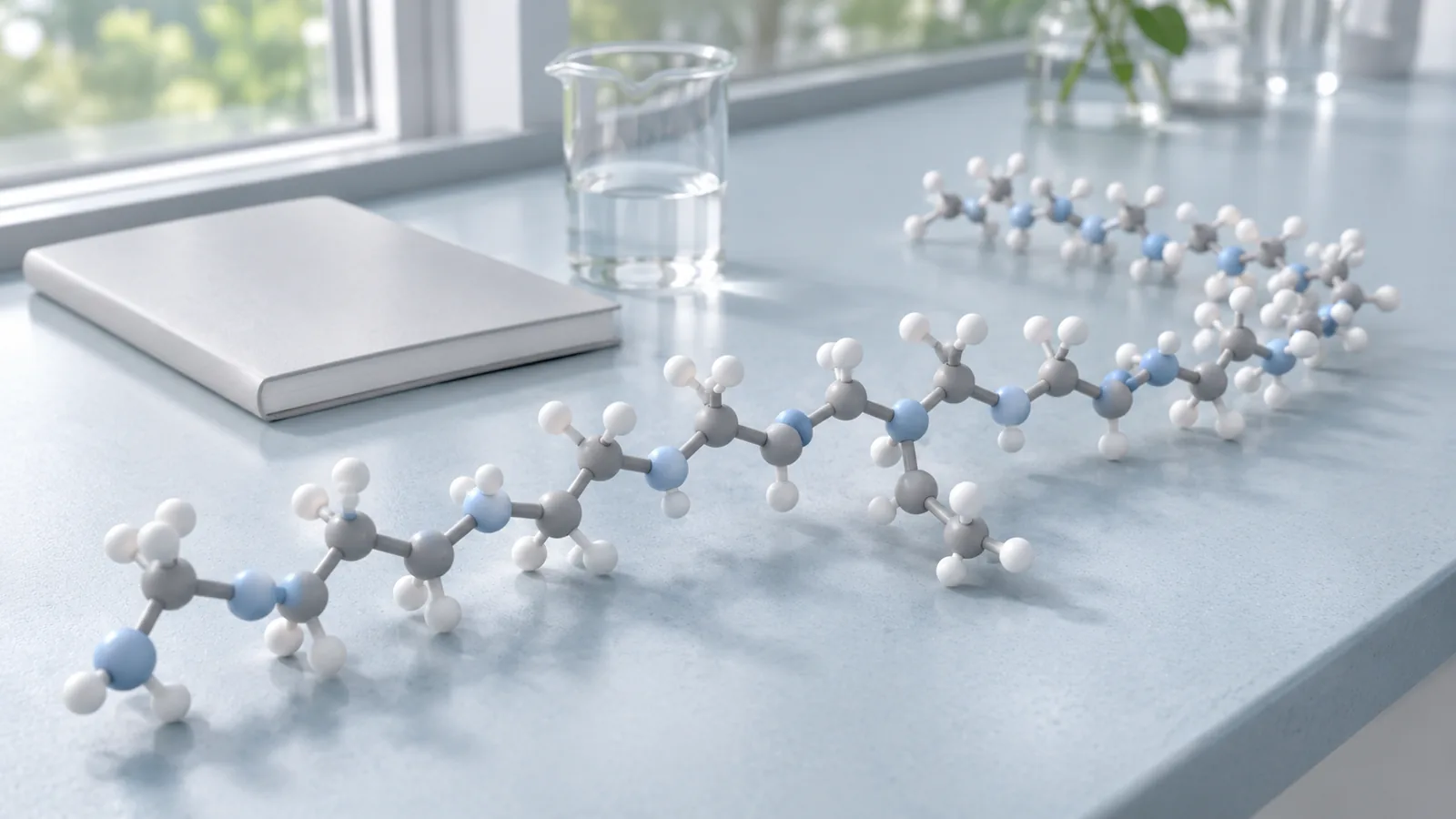
Thirty-nine amino acids and a fatty-acid tail. The chain is modelled on GIP, one of the gut hormones it imitates, with three building blocks the body doesn’t make swapped in: two aminoisobutyric acids (Aib) and one alpha-methyl leucine. They shield the chain from the enzymes that clear natural GIP and GLP-1 from the blood within minutes.
The tail hangs off the lysine at position 17: a 20-carbon fatty diacid on a short linker. It clings to albumin, the most plentiful protein in blood, so the molecule circulates for days instead of minutes. Human studies put its half-life near six days, which is why every trial doses it once a week; how that plays out from one dose to the next is covered in retatrutide half-life.
On paper it is C221H342N46O68, with a molecular weight of 4,731 and CAS 2381089-83-2. Like most research peptides it is made by solid-phase synthesis, built one amino acid at a time on a resin bead, then cut free and purified (Coskun, Cell Metabolism, 2022).

How retatrutide works: the mechanism of action
One molecule binds three receptors, and not evenly. At the GIP receptor retatrutide is 8.9 times as potent as the body’s own GIP. At the GLP-1 and glucagon receptors it is weaker than the natural hormones, about 2.5 and 2.9 times less potent, which leaves those two in balance with each other (Coskun, Cell Metabolism, 2022).
Each receptor carries a different part of the effect. GLP-1 slows how fast food leaves the stomach, quiets the brain’s hunger signals and prompts insulin only as glucose rises after eating. GIP is the other incretin: it adds to that insulin response and acts on fat tissue itself. Tirzepatide proved the pair works better than GLP-1 alone, and retatrutide keeps both, with GIP as its strongest signal.
How does retatrutide work on glucagon?
It keeps the body spending energy while weight comes off, and it strips fat from the liver. Glucagon’s everyday job is to lift blood sugar between meals, but its receptor also pushes the liver to burn stored fat and nudges up the calories burned at rest. With GLP-1 and GIP keeping glucose in check, retatrutide gets the fat-burning side without the sugar spike.
Lilly’s first mouse studies showed the split plainly. GIP and GLP-1 cut how much the animals ate; adding glucagon raised their energy expenditure on top, and the two together took off more weight than intake alone (Coskun, Cell Metabolism, 2022).
What does reta peptide do to the body?
It makes people want less food, it steadies blood sugar, and most of the weight it takes off is fat. The appetite change comes first. By week 24 of the Phase 2 diabetes trial, people on 4mg and up rated their hunger and appetite lower than the placebo group did and expected to eat less at a meal (Kanu, Diabetes, Obesity and Metabolism, 2025).
Glucose follows the weight down. Nearly three in four people who entered the Phase 2 obesity trial with prediabetes finished the year with normal blood sugar, 72% against 22% on placebo (Jastreboff, New England Journal of Medicine, 2023).
The scans show where the weight came from. Over 36 weeks, total fat mass fell by 26.1% at 8mg and 23.2% at 12mg, compared with 4.5% for placebo, and the share of lean tissue lost along the way matched other obesity drugs rather than running higher (Coskun, Lancet Diabetes and Endocrinology, 2025).
The body notices the drug in other ways too. Heart rate rises with the dose, and stomach side effects cluster around each dose step; rates by dose are in retatrutide side effects.
Reta peptide benefits measured in the trials
Weight loss leads, but the trials scored the liver, blood sugar, breathing at night and painful knees as well, each against a placebo group (Jastreboff, New England Journal of Medicine, 2026; Sanyal, Nature Medicine, 2024; Rosenstock, The Lancet, 2023):
| What was measured | Trial and length | Retatrutide, best dose | Placebo |
|---|---|---|---|
| Body weight | TRIUMPH-1, 80 weeks | 28.3% lower | 2.2% lower |
| Liver fat | Phase 2 substudy, 24 weeks | 82.4% lower | 0.3% higher |
| Normal liver fat reached | Phase 2 substudy, 24 weeks | 86% of people | 0% of people |
| A1C, type 2 diabetes | Phase 2 diabetes trial, 24 weeks | 2.02 points lower | 0.01 points lower |
| Sleep apnea events per hour | TRIUMPH-1, 80 weeks | 34.3 fewer | 9.6 fewer |
| Knee pain, 0 to 10 scale | TRIUMPH-1, 80 weeks | 4.1 points lower | 2.5 points lower |
The weight row is Lilly’s average for people who stayed on treatment; the sleep apnea and knee rows count everyone who started, dropouts included.
Beyond the table, knee pain fell by three-quarters over 68 weeks in TRIUMPH-4, and more than one person in eight finished with none. In TRIUMPH-1, sleep apnea events dropped 60.6% from an average of 58.6 an hour, and at 80 weeks the best results were 12.3 mmHg off systolic blood pressure, 41% off triglycerides and 9.5 inches off the waist. The sleep apnea and knee results were presented at ObesityWeek on November 15, 2026.
What each retatrutide trial tested
Phase 1: does one shot a week work?
The first human study opened in March 2019: a single injection, given to healthy volunteers to check safety. Blood levels lasted long enough for weekly dosing, and body weight was still below baseline on day 43 (Coskun, Cell Metabolism, 2022). A 12-week study in 72 people with type 2 diabetes followed, from December 2019 to December 2020, and at the top of its dose ladder, 12mg, people lost 8.96 kg more than on placebo (Urva, The Lancet, 2022).
Phase 2: which dose, for whom
Two trials in 2021 and 2022 picked the doses. The obesity trial gave 338 adults 1mg, 4mg, 8mg or 12mg, or placebo, for 48 weeks; the 12mg group ended 24.2% lighter against 2.1% on placebo (Jastreboff, New England Journal of Medicine, 2023). A second trial put 281 people with type 2 diabetes on retatrutide, placebo or dulaglutide (Trulicity) for 36 weeks with A1C as its goal, and 98 people from the obesity trial with fatty liver had their liver fat scanned. Those results set the 4, 9 and 12mg doses Phase 3 uses.
Phase 3: TRIUMPH and TRANSCEND
TRIUMPH is the obesity program and TRANSCEND the diabetes one. TRIUMPH-1, the main trial, began in July 2023 and randomized 2,339 adults without diabetes to 4mg, 9mg, 12mg or placebo for 80 weeks, with knee osteoarthritis and sleep apnea groups nested inside. The readouts came in this order: TRIUMPH-4 in knee osteoarthritis on December 11, 2025; TRANSCEND-T2D-1 on March 19, 2026; TRIUMPH-1 on May 21; TRIUMPH-2 in diabetes and TRIUMPH-3 in heart disease on July 23; and TRANSCEND-T2D-2, against Ozempic 2mg, on October 28. Each met its main goal, and How Long Does Retatrutide Take to Work? charts the weight curve across them.
More is running. TRIUMPH-5 pits retatrutide against tirzepatide in 800 adults and was due to finish collecting its main data in November 2026; TRIUMPH-6 tests keeping weight off; a heart and kidney outcomes trial of 10,000 people runs into 2029. Until approval, the only prescription route is a trial or Lilly’s expanded access program, covered in retatrutide early access.
What is reta? The names on research labels
Reta is short for retatrutide, and GLP-3 is the research market’s name for it, counting its receptors the way tirzepatide became GLP-2. Shops add letters or house codes on top, such as GLP-3 RT or MA-3RT, and every one is decoded in Retatrutide Code Names Explained. Where the label itself came from is told in What Is GLP-3?
Retatrutide for research: forms, sizes and lab report
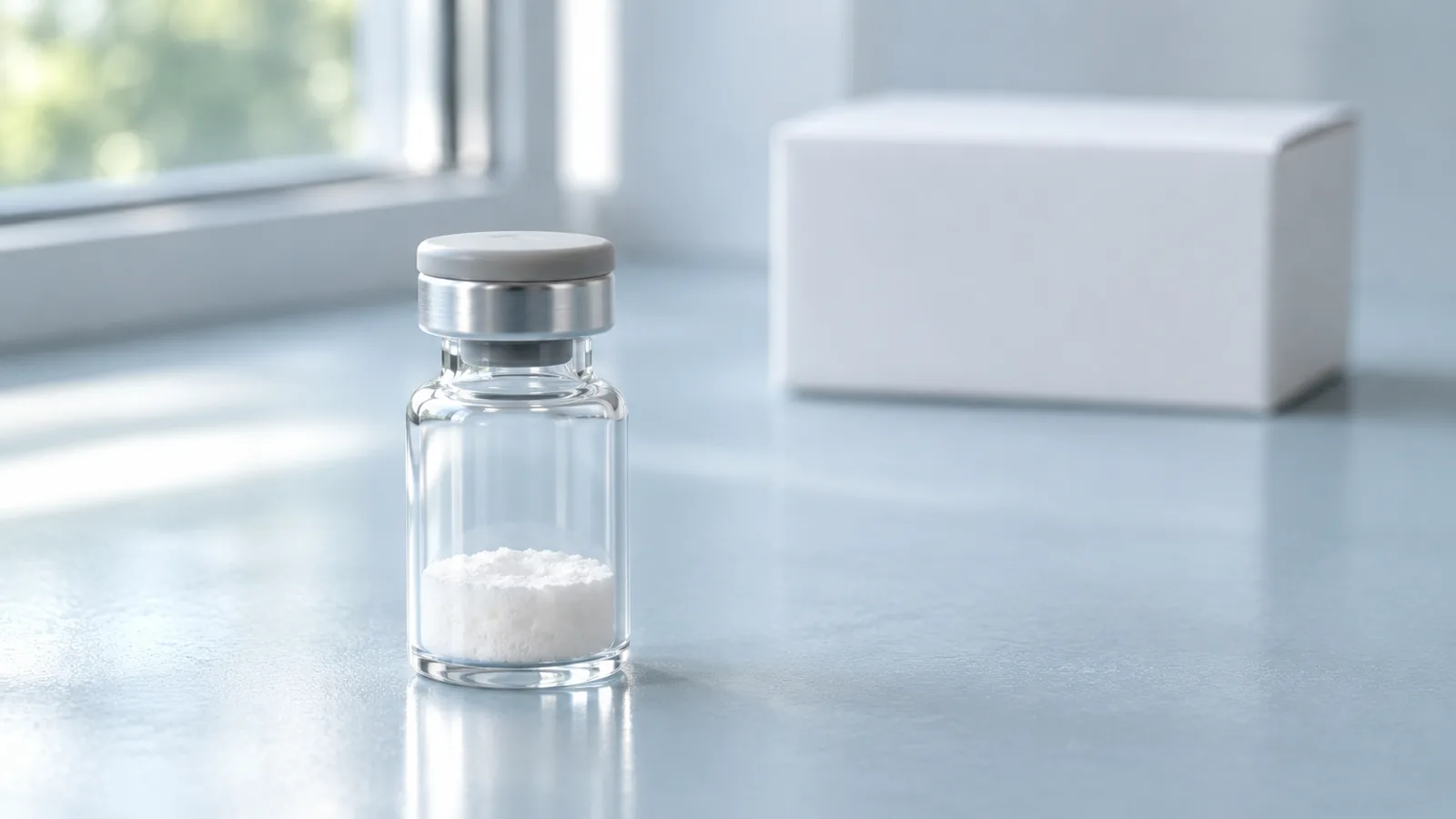
A white freeze-dried powder in a sealed glass vial, mixed with bacteriostatic water before use. There is no pharmacy version yet, so what is sold today is research powder, and its value rests on the certificate behind the vial.
Simms Research stocks Retatrutide (GLP-3) in four vials: 10mg at $84, 20mg at $129, 30mg at $159 and 60mg at $259. The larger vials cost less per milligram, from $8.40 on the 10mg down to $4.32 on the 60mg.
The current batch went through an independent ISO-certified lab on July 16, 2026, across three vials: 99.611% purity by RP-HPLC, identity confirmed by LC-MS, endotoxins passed, heavy metals negative, no microbial growth. Net content came in at 10.68mg in vials labelled 10mg. The certificate sits under retatrutide lab results, and how to read a peptide COA walks through each field.
The retatrutide guide, page by page
Using it in research. The retatrutide dosage chart sets out the trial schedule, from the 2mg start through four-week steps. How to Reconstitute Retatrutide lists the bac water for each vial size, using Research Water, the retatrutide calculator turns a dose into syringe units, and the peptide syringe units chart shows the arithmetic behind them. The retatrutide pen guide covers filling a cartridge for the Peptide Injection Pen from a mixed vial.
What to expect. The retatrutide results timeline follows the weight curve week by week. The retatrutide side effects guide gives each one by dose next to placebo, and the ones women raise most have their own page, side effects of retatrutide for women. The retatrutide half-life guide explains the six-day clock and missed doses, retatrutide and alcohol covers drinking, and what happens after the last dose is in Can You Stop Retatrutide Once You Start?
Keeping and buying. The guide to how long retatrutide lasts in the fridge covers sealed powder, mixed vials and travel, retatrutide cost per month works out a month at each dose, and where to buy retatrutide compares sources.
Comparisons. The retatrutide vs tirzepatide page sets the two Lilly drugs side by side dose for dose, and mazdutide vs retatrutide, eloralintide vs retatrutide and tesamorelin vs retatrutide cover the compounds most often weighed against it. Tirzepatide (GLP-2) is the two-receptor option Simms Research also sells.
Frequently asked questions
Does retatrutide have a brand name?
Not yet. Lilly names it at approval; until then it is retatrutide, LY3437943 in Lilly’s papers, and reta or GLP-3 among research buyers.
What is retatrutide good for?
Weight loss first: 28.3% on average at 80 weeks on 12mg. Against placebo it also cut liver fat, A1C, sleep apnea events and knee pain, and Lilly is testing it for low back pain and for heart and kidney outcomes.
Is retatrutide stronger than semaglutide?
In the one direct trial, yes. Over 80 weeks in people with type 2 diabetes, 12mg cut body weight by 20.9% and Ozempic at its 2mg top dose by 9.4%. The race against tirzepatide, TRIUMPH-5, has not reported yet.
Is Simms Research legit?
Yes. They are a US supplier based in Florida, and their retatrutide certificate, from an independent ISO-certified lab, is public before anyone orders. Orders in before 5PM Eastern leave that business day, and a parcel lost, stolen or damaged on the way is replaced or refunded under their Free Delivery Guarantee. Questions go to support@simmsresearch.com or 855-592-8507, weekdays from 9AM to 5PM Eastern, and every compound is listed in the shop.
Is there a coupon for retatrutide on this page?
No. This page carries no code and no affiliate link, and every price above is an everyday price.