

Blog
NAD+ Injection Side Effects: What to Expect by Route and How Long They Last
What the controlled studies recorded for NAD+ by IV drip, under the skin and into muscle, why drip speed drives most reactions, and how long they last.


What an NAD+ injection usually feels like
Most of what circulates about NAD+ side effects comes from one setting: a 500mg drip in a wellness lounge, and the hard hour of nausea, cramping and chest tightness that has become part of its legend. Anyone looking into NAD+ meets those stories first, then wonders what a small shot under the skin will do.
The controlled numbers tell a calmer story. In the one randomized trial that ran NAD+ in slowly, 750mg over six hours, none of the eight men who received it had an adverse event, the same result as the three given plain saline (Grant, Frontiers in Aging Neuroscience, 2019). The rough hour belongs to speed. Push 500mg through a vein in one to three hours and most people feel it, and the feeling stops when the drip does. Injected under the skin or into muscle at a tenth of that amount, the reaction is local and short.
Simms Research sells NAD+ as a freeze-dried powder in 500mg ($76) and 1000mg ($104) vials. Its latest batch passed an endotoxin screen, the check for the contaminant behind the fever and chills people sometimes pin on NAD+ itself.
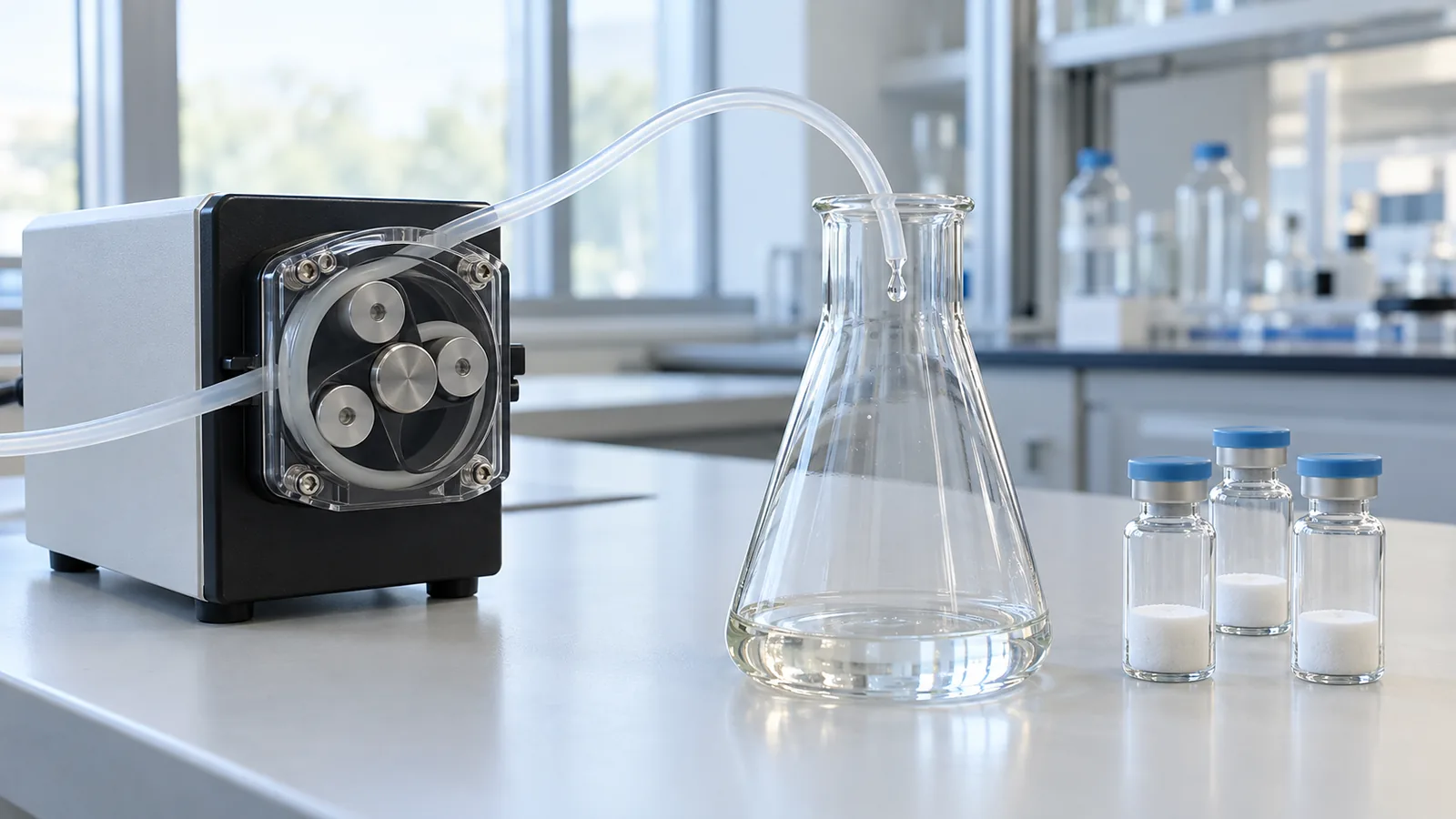
NAD+ IV side effects: flushing, nausea, cramping and chest tightness
Nearly every NAD+ side effect on record happened during an IV drip, and pace decided it more than dose. The human studies line up cleanly once the speed is worked out: the drip that ran at about 2mg a minute produced nothing, and the drips that ran 500mg in at roughly 2.7 to 5mg a minute produced almost all of it.
| Study | Dose and pace | During the drip | Afterwards |
|---|---|---|---|
| Grant 2019, randomized, saline control | 750mg over 6 hours, about 2mg a minute | No adverse events in 8 of 8, same as 3 of 3 on saline | Liver enzymes steady or slightly lower at 8 hours |
| Hawkins 2024, randomized, double-blind, saline control | 500mg, slowed on request: 3 hours on average | Most of the 10 rated their comfort low; about half needed the toilet mid-drip | No adverse events in any group over 14 days |
| Hawkins 2024, second study (16 men) | 500mg, self-paced: 20 to 184 minutes, 99 on average | Symptoms set the pace; every one eased when the drip ended | No adverse events over 7 days |
| Reyna 2026, clinic records | 500mg on 4 straight days, self-paced: 97 minutes on average | All 6 had cramping, nausea, a faster heart rate or chest pressure | Liver, kidney, thyroid and inflammation markers normal at 30 days |
The randomized, placebo-controlled trial is the clearest picture of what fast IV NAD+ feels like. Participants described “chest tightness and a little woozy,” “hot flashes,” “feeling queasy” and “cramping in my stomach,” with headaches, anxiety and sudden bowel urgency on top, and the drip was slowed whenever someone asked (Hawkins, medRxiv preprint, 2024). The saline group finished in 85 minutes; 500mg of NAD+ took 183 on average.
The reason is concentration outside the cells. A slow drip gives tissue time to take NAD+ in as it arrives, and a fast one leaves it building up in the blood far above anything the body normally sees, where it behaves like an inflammatory signal. The clinic authors tie the nausea, stomach cramping and headaches clinicians report to exactly that surge (Reyna, Frontiers in Aging, 2026). It also explains why turning the drip down helps and why nothing lingers once the bag is empty.
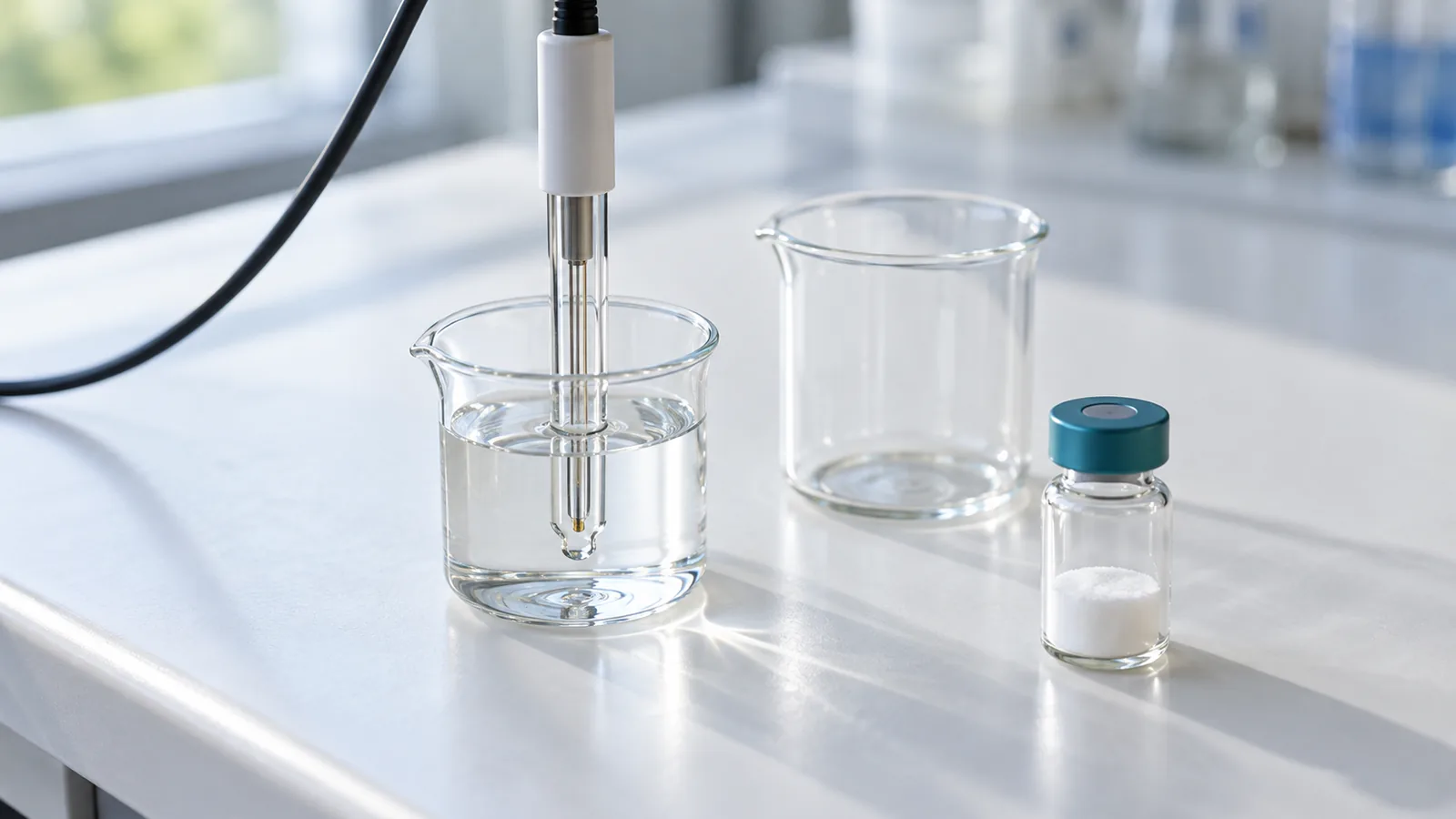
NAD+ subcutaneous injection side effects
Under the skin, the side effect is the sting. It arrives with the push and fades over the next few minutes, sometimes leaving a little redness where the liquid sat. The flushing and cramping of a fast drip rarely carry over, because a shot is a different scale entirely. Clinics that dose under the skin read nausea or a flush shortly after a shot as a dose set too high, and it settles once the dose comes down.
The animal safety work puts numbers on that scale. In dogs given NAD+ into muscle, heart rate and blood pressure held steady at 3mg per kilogram and only shifted from 10mg per kilogram upward (Gu, Biomedicine and Pharmacotherapy, 2026). A 50mg injection in an 80kg adult works out to about 0.6mg per kilogram, a fifth of the amount that left the dogs’ hearts unchanged, and it enters the blood gradually from under the skin rather than all at once.
Why does NAD+ burn when injected?
Because the solution is acidic. NAD+ is supplied in its free-acid form, and once dissolved it sits far below the near-neutral pH of the tissue it lands in. The burn says nothing about the quality of the vial or the dose; a well-made vial stings just the same. How much it stings depends on the strength of the mix and the speed of the push, and the NAD+ injection dosage chart gives the water volumes that soften it for each vial size.
Intramuscular NAD+
Into muscle, the picture is the same with a deeper needle. Rabbits given intramuscular NAD+ for 14 days in a row showed no muscle irritation, rats injected daily for four weeks tolerated up to 100mg per kilogram a day with any injection-site changes healing after the course ended, and an anaphylaxis test in guinea pigs came back negative (Gu, Biomedicine and Pharmacotherapy, 2026). In people, published intramuscular schedules stay at around 50mg a dose, the same scale as a shot under the skin.
How long do NAD side effects last?
Minutes, in every study that measured them. The drip symptoms ended when the infusion ended in both the randomized trial and the clinic records (Reyna, Frontiers in Aging, 2026), and the injection sting is gone well before the vial is back in the fridge.
Follow-up confirms there is no tail. The randomized trial watched every participant for up to 14 days after the drip and recorded no adverse event attributable to NAD+. The clinic records checked blood work 30 days after four daily 500mg infusions and found no significant change in liver enzymes, kidney function, thyroid hormone or C-reactive protein, the standard inflammation marker. The six-hour study’s liver enzymes drifted slightly lower by the eight-hour mark, not higher.
Can NAD injections make you tired?
Not in the controlled data. Across two weeks of follow-up, the NAD+ group’s perceived fatigue scores sat level with the saline group’s, with no significant difference at day 7 or day 14 (Hawkins, medRxiv preprint, 2024). Feeling woozy is a fast-drip symptom, and it lifts with the rest of them.
Can NAD injections cause headaches or diarrhea?
During a fast drip, both. Headaches were among the symptoms participants reported mid-infusion in the randomized trial, and about half of those on the 500mg drip had a bowel movement before it finished. Both belong to the same response as the nausea and cramping, both track speed, and both ended with the infusion.
Does NAD+ make your heart race or lower blood pressure?
A faster heartbeat shows up during a fast drip: the six clinic clients on daily 500mg infusions reported it alongside the cramping and nausea. It settles once the drip stops. In the randomized trial, heart rate after the infusion averaged 68 beats a minute on NAD+ against 66 on saline, and blood pressure showed no significant difference between the groups.
Are NAD+ injections safe long term?
The 30 days of blood work in the clinic records are the longest look at injected NAD+ in people, and the safety markers in them held steady. No trial has yet run NAD+ injections for months. A 2026 review of 113 NAD+ studies found none testing IV or intramuscular NAD+ against clinical outcomes, while the oral precursors that raise the same molecule, nicotinamide riboside and NMN, were generally well tolerated over weeks to months (Gallagher, Ageing Research Reviews, 2026).
NAD+ isn’t a foreign compound the body has to learn to clear. Every cell makes it, uses it and recycles it around the clock, and the breakdown products of an injection are the same ones the body handles from food. That’s why the side effects on record trace to delivery, the speed of a drip or the acidity of a shot, more than to the molecule.
Can NAD injections cause cancer?
No study in people has linked NAD+ or its precursors to cancer. The question comes from tumor biology: cancer cells lean heavily on NAD+, which is why drugs that block its production have been tested as cancer treatments. In mice the evidence cuts both ways. Restoring NAD+ with nicotinamide riboside prevented liver tumors in one model (Tummala, Cancer Cell, 2014), while the same supplement increased the spread of an aggressive breast cancer in another (Maric, Biosensors and Bioelectronics, 2023). Clinics counsel people with an active cancer against NAD+ on that concern.
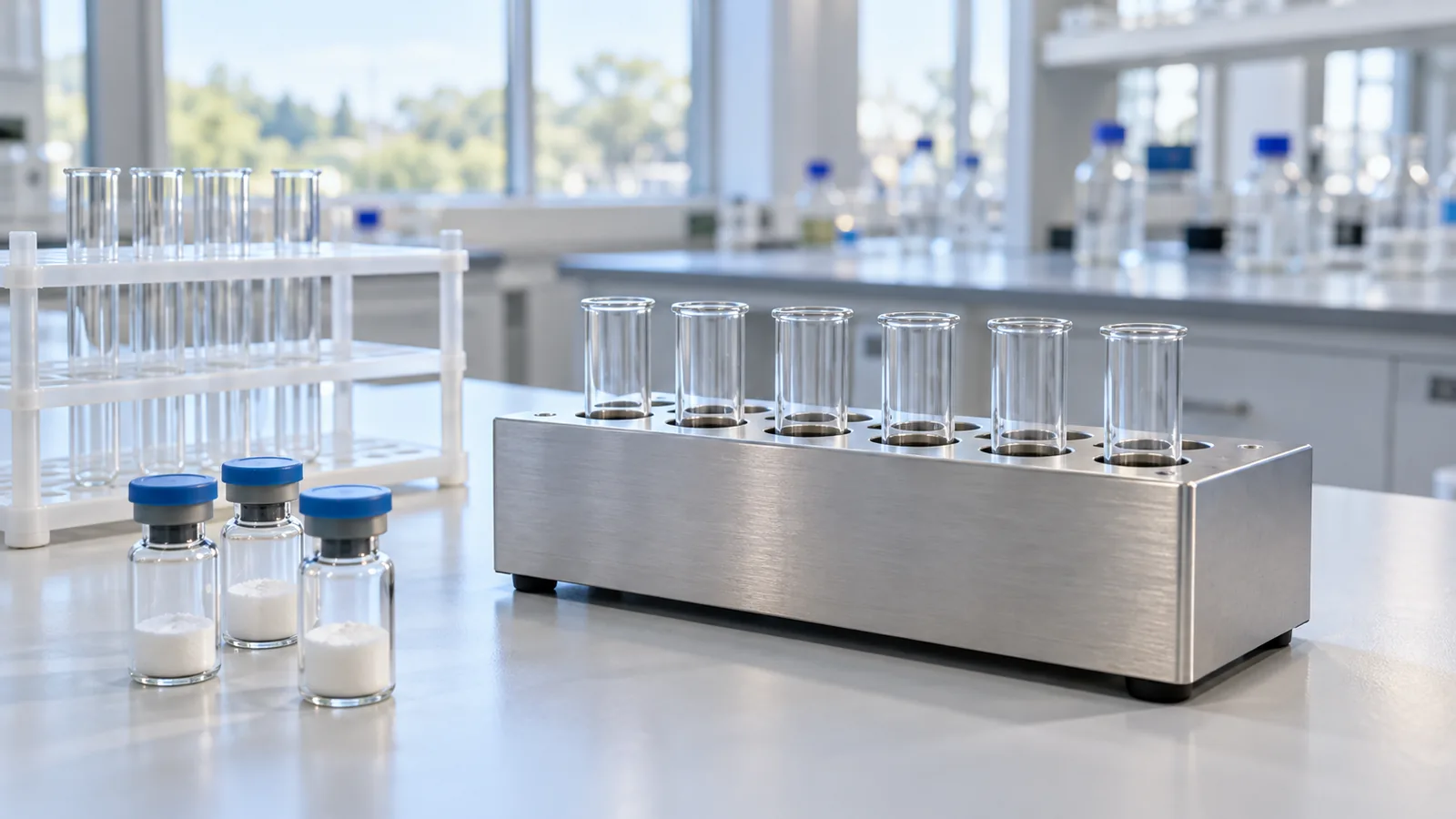
Fever, chills and what comes in the vial
A fever, shaking chills or a hot, swollen injection site hours later doesn’t match anything in the NAD+ studies. That pattern points to what can ride along in a vial: endotoxin, the fragments of bacterial cell walls that survive sterilization and trigger a fever in tiny amounts. Anything meant for injection is screened for it, and a clean routine at mixing time matters as much as the powder.
Simms Research posts batch reports from an independent ISO-certified lab on its NAD+ lab results page. The latest certificate screens endotoxin against a limit of 0.5 endotoxin units per mL, the same ceiling the US Pharmacopeia sets for bacteriostatic water, and the batch passed. Its sterility culture showed no growth, arsenic, cadmium, lead and mercury all came back negative, and the three vials tested averaged 99.742% purity with 511.01mg in an NAD+ 500mg vial. How to Read a Peptide Certificate of Analysis walks through each of those fields.
For the mixing itself, How to Reconstitute Peptides covers the sterile routine step by step, and Research Water, the bacteriostatic water Simms sells, comes in a 10mL bottle for $20.
Frequently asked questions
Are NAD+ injections safe?
In the studies that exist, yes. The slow six-hour drip produced no adverse events, the fast drips produced none that lasted past the infusion in two weeks of follow-up, and blood work was normal a month later. The discomfort NAD+ is known for is real, and it is tied to how fast it goes in.
Is it normal to feel sick during an NAD+ drip?
At 500mg in one to three hours, it’s the usual experience: most participants in the randomized trial felt it. Slowing the drip is the fix. At about 2mg a minute, 500mg takes a little over four hours.
Can you be allergic to NAD+?
None of the human studies recorded an allergic reaction, and the animal anaphylaxis test was negative. Redness right at the injection site comes from the solution’s acidity and fades on its own.
Is Simms Research legit?
Simms Research ships orders placed before 5PM Eastern the same day (Sundays and holidays excluded), by UPS Standard in 3–5 business days or FedEx 2-Day, which costs nothing on orders over $200. A Free Delivery Guarantee comes with each order: if a package goes missing in transit, is stolen once scanned as delivered or shows up damaged (reported within 48 hours), a replacement goes out free, or the products and shipping are refunded when no replacement is available. Checkout takes Visa, Mastercard, Amex, Discover, Apple Pay and Google Pay, and support is reachable at support@simmsresearch.com or 855-592-8507 on weekdays between 9AM and 5PM Eastern.
Does this page have a discount code?
No. There is no code and no affiliate link anywhere on this page.
The rest of the Simms Research catalog is in the shop.