

Blog
DSIP Peptide Dosage Chart and Calculator: What the Sleep Studies Used
DSIP dosage for a 10mg vial: the before-bed draws in units with 2mL of bac water, what the sleep studies gave, nightly or spaced schedules, cycling and how long a vial lasts.

DSIP, delta sleep-inducing peptide, is a chain of nine amino acids that a Basel group pulled from the blood of rabbits in induced sleep in 1977 and named for the slow, deep waves of delta sleep. It is measured in micrograms and drawn in the evening, and the protocols in circulation sit between 100 and 500mcg a night. The human sleep studies behind them gave about 1.5mg to an average adult, straight into a vein.
Simms Research stocks DSIP as one 10mg vial for $71, and the unit counts throughout are for that vial mixed with 2mL of bacteriostatic water.
DSIP peptide dosage calculator
Pick the water and the dose, and the calculator gives the units to draw on a U-100 insulin syringe. It opens on a 10mg vial with 2mL and a 250mcg dose: 5 units.
DSIP peptide dosage chart
Most research protocols draw 250mcg of DSIP before bed, inside a range of 100 to 500mcg. Once the 10mg vial has its 2mL, each insulin-syringe unit carries 50mcg, so the whole range fits between 2 and 10 units:
| DSIP per draw | U-100 units | Draws per vial | Where the amount comes from |
|---|---|---|---|
| 100mcg | 2 units | 100 | Low-dose and pulse protocols |
| 250mcg | 5 units | 40 | Most common nightly draw |
| 500mcg | 10 units | 20 | Upper end of most protocols |
| 1mg | 20 units | 10 | Higher community protocols |
| 1.5mg | 30 units | 6 | Near the IV study dose for a 70kg adult |
250mcg is 5 units, and a vial holds forty of those draws. Draws this small read best on a 0.3mL syringe, marked one unit at a time. The 1.5mg row shows the scale of the sleep studies, which gave about that much to a 70kg (154lb) adult by slow intravenous injection.
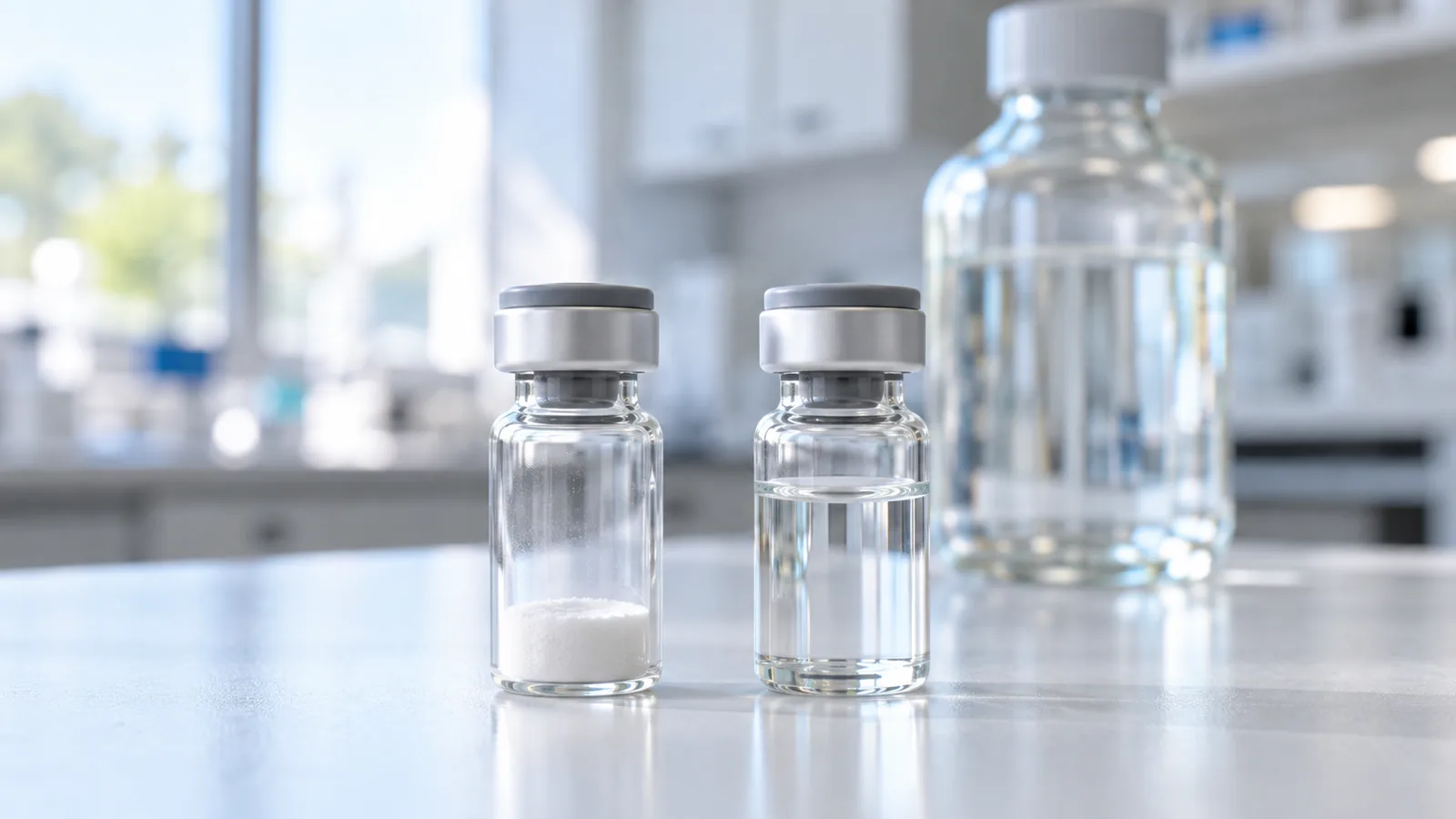
DSIP reconstitution for the 10mg vial
2mL of bacteriostatic water, which puts 5mg in each mL and lets the chart read straight off the syringe.
Aim the water at the glass rather than the white cake, roll the vial gently until it clears, and date it before it goes in the fridge; DSIP dissolves fast into a colorless liquid. The hub guide, how to reconstitute peptides, covers the routine step by step.
Five DSIP vials take 10mL between them, the size of one bottle of Research Water from Simms Research ($20). Its 0.9% benzyl alcohol keeps the vial clean through weeks of nightly draws; the bac water guide explains why plain sterile water falls short.
Many shops sell 5mg vials of DSIP and chart them with 2mL as well, so each unit there is half as strong: their 250mcg is 10 units, not 5.
For a 5mg vial, other water volumes or doses off the chart, the peptide calculator turns milligrams into units.
How much DSIP for sleep: what the studies gave
About 1.5mg, given by vein. The insomnia studies of the 1980s dosed by body weight: 25 nanomoles per kg (Schneider-Helmert, European Neurology, 1984), roughly 21mcg per kg, injected slowly, mostly ahead of the night, and 30 nanomoles per kg in one later series. For a 70kg adult that is 1.5 to 1.8mg, several times the draws in circulation today and by a different route.
The results split. Six chronic insomniacs given a single dose in 1981 slept longer, with fewer interruptions and no sleepiness the next day (Schneider-Helmert, Experientia, 1981). In a 1986 series, 18 insomniacs received six injections over a week, and their sleep reached normal values and held there through a follow-up week. A 1987 double-blind study of 14 insomniacs over seven nights found sleep improved from the first dose, improved further with repeats, and stayed better on the first placebo night, with daytime alertness up as well.
Two other teams saw less. A 1987 crossover study, four nights at 25 nanomoles per kg, found the changes no larger than on placebo nights and judged them of little clinical significance. A 1992 double-blind study of 16 insomniacs measured better sleep efficiency and faster sleep onset than placebo, but called the effects weak, and the patients rated their sleep no better.
The 100 to 500mcg under-the-skin range comes from community protocols, not a trial, and some push to 1mg because the trials used more. Animal work cautions against chasing dose: in rabbits, cats and mice, DSIP showed bell-shaped dose-response curves, with the effect falling off again above a middle dose (Scherschlicht, European Neurology, 1984).
How long before bed to take DSIP
One to three hours before lights out, or 30 to 60 minutes; protocols split between the two. The studies favour the earlier window: after an injection, the sleep-promoting effect showed in the second hour, while the first hour brought slight arousal (Schneider-Helmert, Experientia, 1981), and the Swiss group put the lag before sleep at about an hour.
Timing proved looser than the name suggests. Repeated morning injections still improved the next night’s sleep and raised daytime activity, while two doses a day lost the effect on the night (Schneider-Helmert, European Neurology, 1984), and the 1992 trial dosed in the afternoon. Protocols keep one evening draw, the way most of the sleep studies gave it.
DSIP protocol: nightly or a few nights a week
Both are in use, and the most common is 250mcg (5 units) on five nights a week with two nights off. Straight nightly runs at 250 to 500mcg are next. A pulse protocol gives 100 to 200mcg, 2 to 4 units, on ten nights in a row and then stops for twenty, and a low-dose version draws 100mcg nightly, every third night or once a week.
The spaced schedules lean on what happened after dosing stopped. Four nights of injections normalized sleep structure in the Swiss insomnia work, the benefit carried into the placebo nights after, and in a 1984 open study of seven severe insomniacs, a course of ten injections left six sleeping normally for three to seven months. The nightly schedules copy the trials, which dosed on consecutive nights.
Does DSIP need to be cycled?
Most protocols cycle it, usually eight weeks on and eight off, or the ten-on, twenty-off pulse. No study has measured tolerance to DSIP; the trials were short courses of one to ten injections, and their effects outlasted the dosing rather than fading during it.
The breaks rest on that carry-over, not on any finding of a weaker response. An off block also gives a clean comparison: sleep that stays improved after the last draw is the effect the studies described.
How long a 10mg vial of DSIP lasts
Twenty-eight days on anything up to about 350mcg a night. Mixed DSIP keeps for 28 days in the fridge, and below that rate the clock ends the vial before the powder does. Above it, the peptide runs out first:
| Schedule | Draw | Draws the powder holds | Draws used inside 28 days |
|---|---|---|---|
| 100mcg nightly | 2 units | 100 | 28 |
| 250mcg, 5 nights a week | 5 units | 40 | 20 |
| 250mcg nightly | 5 units | 40 | 28 |
| 500mcg nightly | 10 units | 20 | 20 (gone in 20 nights) |
| 1mg nightly | 20 units | 10 | 10 (gone in 10 nights) |
On the usual 250mcg schedules, one vial per four weeks is the count, so an eight-week block takes two. At 500mcg nightly an eight-week block takes three vials. The ten-night pulse uses only 1 to 2mg per block, but with twenty nights off in between, each block starts on a freshly mixed vial.
DSIP peptide benefits in the research
Sleep comes first: in the positive studies, chronic insomniacs slept longer, woke less and moved back toward a normal sleep structure, with no next-day sedation. The same studies recorded sharper daytime alertness and performance.
The rest of the human work is smaller. In 1984, 107 inpatients going through alcohol or opiate withdrawal received DSIP by vein, and doctors rated the symptoms gone or sharply better in 97% of the opiate group and 87% of the alcohol group, with anxiety the slowest to ease (Dick, European Neurology, 1984). A pilot study the same year lowered pain levels in six of seven patients with recurring migraine, headache, tinnitus or other pain episodes, and a single case of narcolepsy saw fewer daytime sleep attacks.
Stress hormones are the mixed result. In 11 healthy men, one 25-nanomole-per-kg dose cut ACTH-like activity in the blood for at least three hours, but cortisol stayed on its normal daily curve (Bjartell, Psychoneuroendocrinology, 1989), and a later study infusing 3 to 4mg left both ACTH and cortisol unchanged. A 2006 review added that DSIP’s own gene and receptor have never been identified, so how it acts on sleep remains unsettled.
How long DSIP takes to work
The first night, in the studies that saw an effect. Sleep improved after the first injection and built further over about four nights; older insomniacs, with the worst sleep at the start, reached normal values only by the end of a follow-up week.
DSIP side effects
Few, in the published work. The Swiss researchers, who ran five human studies with single and repeated injections, described DSIP as well tolerated, and their insomnia patients reported no daytime sedation or other side effects. Across the 107 withdrawal patients, the only complaint the authors listed was headache in a few of them (Dick, European Neurology, 1984).
The early studies injected slowly, which the researchers found essential, and recorded slight arousal in the first hour before the sleep effect arrived. In a 2009 anaesthesia study, bolus doses of 25 to 100 nanomoles per kg raised heart rate and lightened anaesthetic depth. Reports from community protocols add an occasional headache, mild nausea or vivid dreams, most often at the higher draws.
DSIP batch reports: what the lab found
Both published batches came in above the 10mg on the label. The latest went to an independent ISO-certified lab and was tested on July 16, 2026, three vials measured separately:
| Vial | DSIP measured | Purity |
|---|---|---|
| Vial 1 | 10.34mg | 99.792% |
| Vial 2 | 11.36mg | 99.881% |
| Vial 3 | 10.77mg | 99.651% |
| Average | 10.82mg | 99.775% |
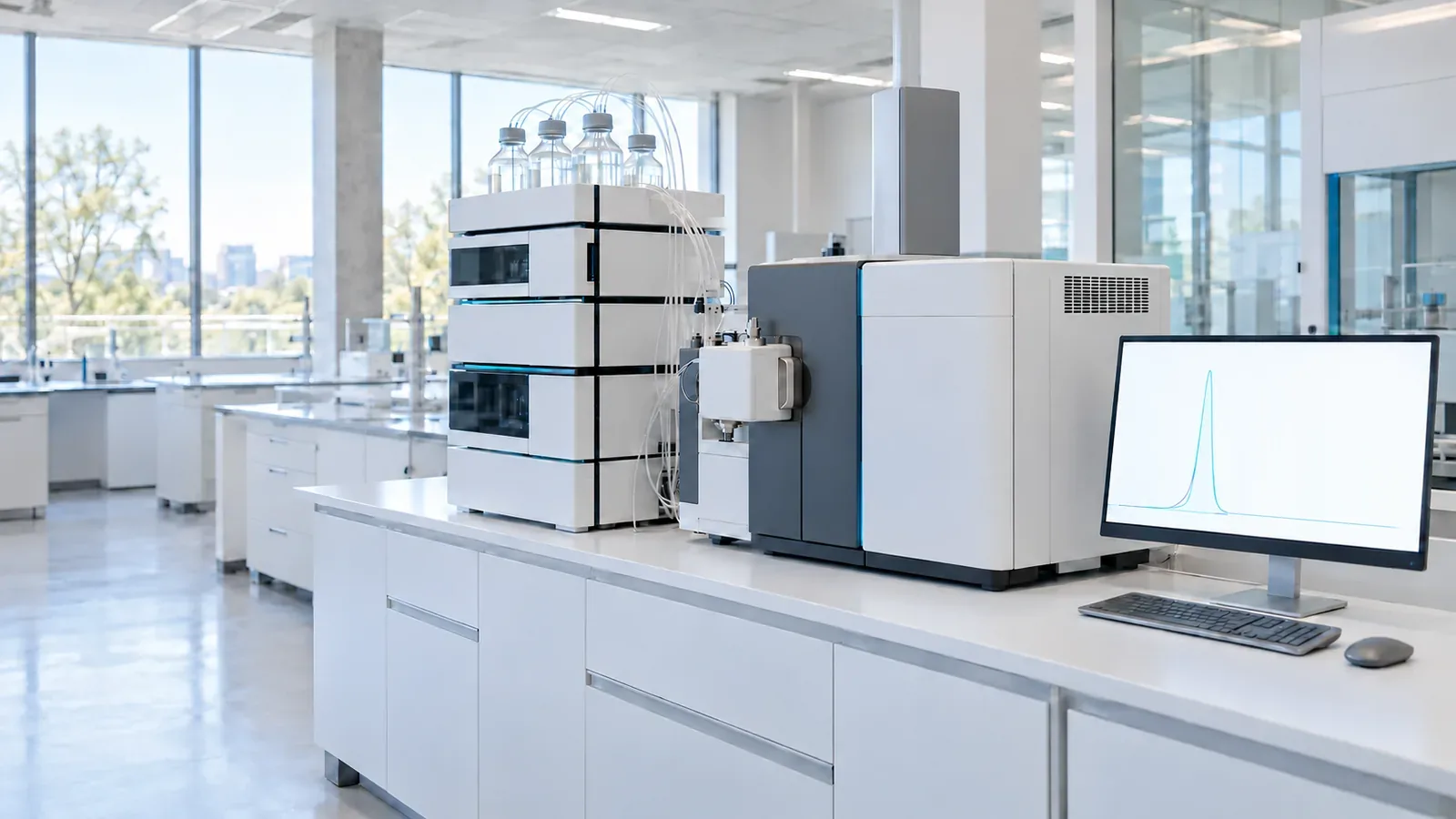
RP-HPLC measured the purity and LC-MS confirmed identity. The batch passed endotoxins, came back with no detectable heavy metals and showed no growth when cultured for sterility. An earlier batch, from April 2026, was run on one vial by HPLC-UV: 11.52mg at 99.94%, with an endotoxin pass and no heavy-metal or sterility result on its certificate.
At the batch average, 10.82mg in 2mL, a 5-unit draw holds about 270mcg, not 250mcg. Put 10.82mg into the calculator as the vial amount and the units match this batch. The DSIP lab results page holds both certificates, the lab results library covers every other compound, and how to read a peptide COA goes line by line.
Frequently asked questions
How much bac water do I mix with 10mg of DSIP?
2mL, which makes every unit 50mcg: 5 units for 250mcg, 10 for 500mcg.
How many mg of DSIP should I take?
Research protocols draw 0.1 to 0.5mg before bed, most often 0.25mg. The insomnia trials gave about 1.5mg to a 70kg adult, by vein.
Can you take DSIP every night?
Yes. Nightly protocols run 250 to 500mcg, and the trials dosed on consecutive nights. The five-night week with two nights off is more common still.
Does DSIP make you sleepy?
Not the way a sleeping pill does. The studies found no next-day sedation and slight arousal in the first hour after a dose; the effect showed as fuller, less broken sleep from the second hour on.
Does DSIP lower cortisol?
Not in the human studies. One dose lowered ACTH-like activity for a few hours in healthy men while cortisol held its usual pattern, and larger infusions changed neither.
Can DSIP be used as a nasal spray?
Sprays are sold, but the human sleep studies all injected it, and this chart is written for injection.
Can DSIP be stacked with Epitalon?
Often: the two are a common evening pair in sleep protocols, each drawn from its own vial. The Epitalon dosage guide has the Epitalon side.
How long is DSIP good for after mixing?
Four weeks in the fridge (2–8°C, 36–46°F). Unmixed, the powder keeps at room temperature for weeks, which lets it travel without ice; storage for both forms is in the peptide storage guide.
Is DSIP FDA approved?
No. Simms Research supplies it strictly as a laboratory research compound.