

Blog
Melanotan 1 Dosage Calculator and Chart: Loading, Maintenance and Cycling
Melanotan 1 dosage for a 10mg vial mixed with 2mL: the loading and maintenance draws in syringe units, what the afamelanotide trials used, how long a mixed vial lasts and what Simms Research's batch reports show.

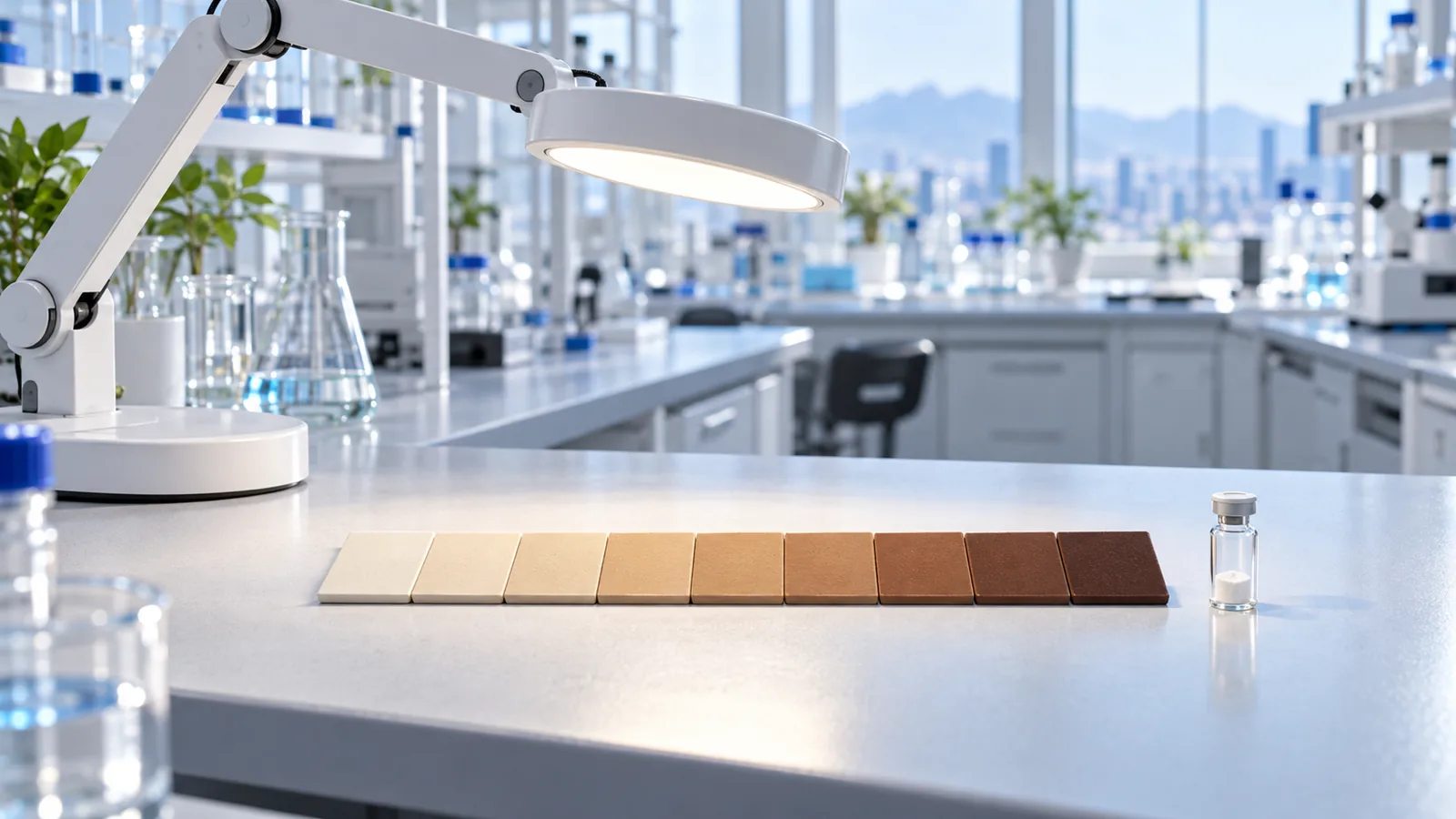
Melanotan 1 is the slower, quieter of the two tanning peptides, and it is dosed larger to match. Where Melanotan 2 protocols settle at 500mcg, Melanotan 1 protocols load at anywhere from 500mcg up to 1mg daily, so one 10mg vial is enough for 10 to 20 days of loading. Melanotan I, also sold as MT-1 and approved as the drug afamelanotide, is alpha-MSH, the hormone that tells skin to make melanin, with two of its 13 amino acids swapped to make it last longer and bind harder. It works almost entirely through the pigment receptor, MC1R.
Simms Research sells Melanotan I in 10mg vials for $55, and this is the full chart for that vial. Whether Melanotan 2 would suit the research better is answered in Melanotan 1 vs 2, and Melanotan 2 has its own Melanotan 2 dosage chart.
Melanotan 1 dosage calculator
Pick the water and the dose, and the calculator gives the units to draw on a U-100 insulin syringe. It opens on a 10mg vial with 2mL and a 500mcg dose: 10 units.
Melanotan 1 dosage chart
Research protocols open at 250mcg daily, step up to between 500mcg and 1mg each day to load, then repeat that loading draw on two or three days a week to keep the colour. Once the vial has taken 2mL of bac water, each line on a U-100 insulin syringe carries 50mcg, so the whole chart sits between 5 and 20 units:
| Stage | Units on a U-100 syringe | Dose | Frequency |
|---|---|---|---|
| Opening, days 1 to 3 (up to 5) | 5 | 250mcg | Daily |
| Loading | 10 to 20 | 500mcg to 1mg | Daily, for 10 to 21 days |
| Maintenance | 10 to 20 | 500mcg to 1mg | On 2 or 3 days each week |
Those draws run up to twice Melanotan 2’s for a similar tan, because Melanotan 1 leaves the appetite and libido receptors alone and has only the pigment one to work through. Protocols don’t scale the draw to body weight, though the trials did, at far higher doses. A different vial or water volume goes through the peptide calculator.
How to mix Melanotan 1: 2mL for the 10mg vial
Add 2mL of bac water. The 10mg vial then holds 5mg in every mL, which is what puts 50mcg on each unit: 5 units for 250mcg, 10 for 500mcg, 15 for 750mcg and 20 for 1mg. Every draw on the chart is a whole line.
Aim the water at the wall of the vial, not the cake, and add it slowly; a few gentle turns of the vial finish the job, and Melanotan 1 goes clear and colourless within a minute or two. Label it with the day it was mixed, then keep it cold and dark. How to reconstitute peptides covers the routine for any vial. Some charts mix the same vial with 1mL, which doubles the strength of every unit, so 10 units becomes 1mg. Units only mean something next to the water they were written for.
Research Water is Simms Research’s bac water, 0.9% benzyl alcohol in sterile water, at $20 for 10mL: enough for five Melanotan I vials. Why benzyl alcohol suits a vial that is opened daily, for weeks on end, is set out in the bac water guide.
Melanotan 1 loading dose and maintenance dose
Loading means one draw of between 500mcg and 1mg every day for 10 to 21 days, which is 10 to 20 units on the syringe. Maintenance repeats that draw on two or three days each week. An opening of three to five days at 250mcg, 5 units, comes first, so whatever nausea or flushing the early draws bring settles at a quarter of the top amount.
The loading block keeps the shape of the original trials, ten injections over about two weeks. It is front-loaded because Melanotan 1 keeps darkening skin after the injections stop: in the 1991 JAMA trial the peak arrived a week to three weeks past the final dose. So loading ends when colour starts to show, not when the final shade has arrived. Protocols at 1mg reach that point in about ten days; at 500mcg it takes closer to three weeks.
Maintenance then keeps pace with skin renewal: the outer layer, and the melanin in it, is replaced every few weeks. Two draws a week is the common middle; three suits very fair skin or a winter with little sun. Skin type moves the loading too: very fair skin takes the 1mg draw for three weeks or more, while olive and brown skin can be done in about ten days at 500mcg. A lower route also circulates, opening at 50mcg (1 unit) a day for about a week and maintaining at 250mcg twice weekly, with sun doing more of the work. It is gentler and much slower. Most runs are seasonal: loading in spring, maintenance through summer, then a break.

Afamelanotide dose in the studies
The trials dosed by body weight and far higher than any protocol: 0.08 to 0.16mg per kg a day, injected under the skin (Dorr, Archives of Dermatology, 2004). For a 70kg adult that is about 5.6 to 11mg a day, more than a whole 10mg vial at the top dose. The 1mg top draw on the chart is under a tenth of it.
The 1991 trial gave 28 men ten injections across 12 days. In a 2000 follow-up, at 0.16mg per kg on weekdays for two weeks, eumelanin, the brown-black pigment, had nearly doubled in forearm skin seven days after dosing ended (up 98%), while the red-yellow pheomelanin stayed where it was. In a 2006 Sydney trial, the same daily dose ran in three 10-day cycles over three months, and melanin rose most in the fairest skin: 41% in those who burn after the least sun, against 12% in those who burn less readily.
The approved drug moved away from daily injections altogether. Scenesse is a 16mg rod implanted beneath the skin once every two months, and the Scenesse label shows the peptide gone from the blood of most volunteers by about four days after it goes in. Yet one implant covers two months. That gap between how long the peptide stays and how long the pigment stays is the logic behind maintenance draws spaced days apart.
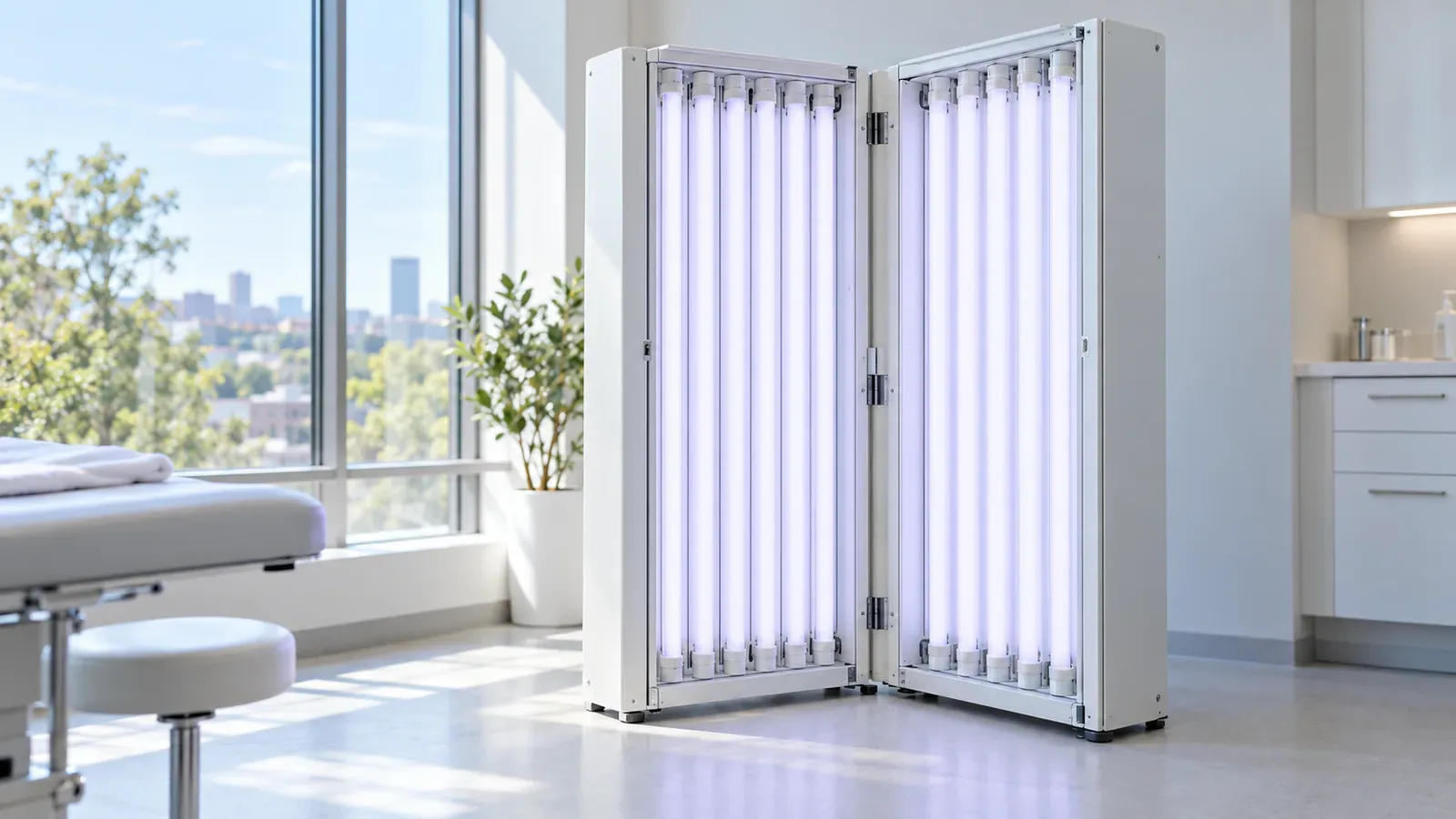
Do you need to tan with Melanotan 1?
Not at all. Melanotan 1 darkens skin with no sun whatsoever, and sun makes the tan come sooner, go deeper and last longer. The men in the 1991 trial wore high-potency sunscreen for the whole course and still darkened, fair and olive skin alike. The drug label puts it plainly: afamelanotide raises eumelanin independently of sunlight or artificial UV.
Light multiplies it. In the University of Arizona sunlight study, adding Melanotan 1 to sun exposure kept the tan for three weeks or more beyond what sun alone gave, and the sun-only volunteers had to spend 50% more time outdoors to match the shade. The Sydney trial measured what the extra melanin does: after a dose of UV three times stronger than the amount that turns skin pink, sunburn cells in the fairest volunteers fell by more than half, and thymine dimers, the DNA damage UV leaves in skin cells, by 59%.
So protocols pair loading with short sun or sunbed sessions, 10 to 20 minutes on two or three days a week, always stopping before any pink. Without UV, in winter or under cover, the same draws still darken the skin; it simply takes more weeks and lands lighter.
How long Melanotan 1 takes to work: before and after
Visible colour arrives two to four weeks into a protocol, and freckles show it first, often within the first week or two. The face, neck and forearms follow, the sites that darkened in the 2000 trial, and the overall tone keeps warming for a while after loading stops.
The trials explain the delay. In a 1997 pharmacokinetic trial, tanning peaked a week after the tenth dose and was still there three weeks later, and the 1991 trial’s peak came later still. Before-and-after pictures from Melanotan 1 protocols therefore tend to be taken at least a month apart, against the one to two weeks Melanotan 2 needs on medium skin.
The colour holds while maintenance continues. Stop the draws and it drains away across one to two months while the skin replaces its outer layer, the way a summer tan goes, and a later restart loads for fewer days.
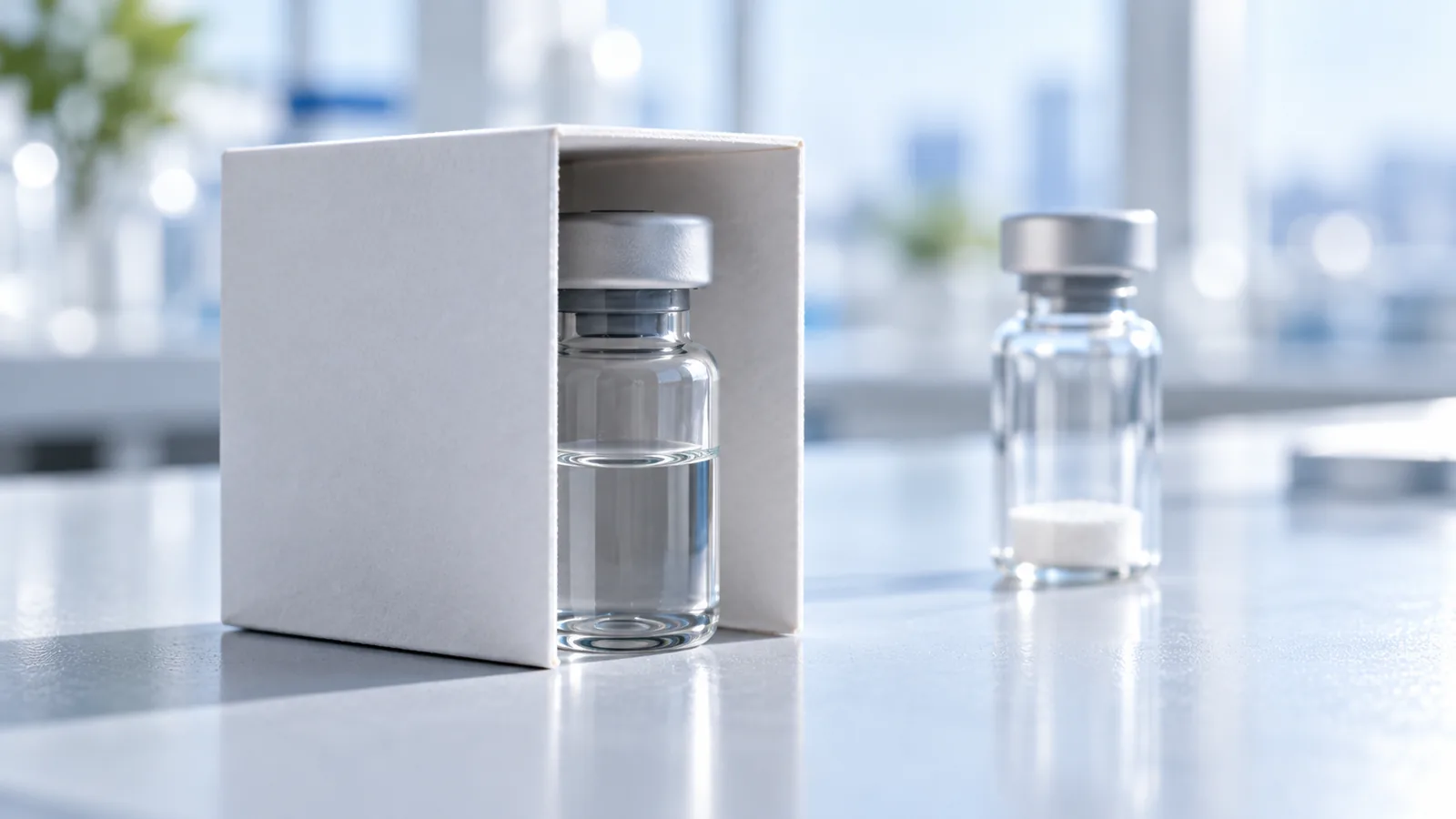
How long reconstituted Melanotan 1 is good for
Mixed, it keeps 28 days refrigerated at 2 to 8°C, away from light. The powder is much tougher before mixing: weeks at room temperature leave it unharmed, which is why Simms Research ships it without ice, and a −20°C freezer keeps it longest. The guide to refrigerating peptides sets out the sealed and mixed vial side by side.
Those 28 days decide how far one vial goes. Loading empties it before the window closes; slow maintenance doesn’t, and the leftover is discarded at day 28:
| Protocol | Draw | A 10mg vial lasts |
|---|---|---|
| Opening days, then loading at 500mcg | 5 units, then 10 units daily | About 3 weeks |
| Loading at 1mg | 20 units daily | 10 days |
| Maintenance at 500mcg, twice weekly | 10 units | 4 weeks, with 6mg left at day 28 |
| Maintenance at 1mg on 3 days a week | 20 units | About 3 weeks |
A season of two to three weeks of loading plus two months of maintenance therefore takes three to five vials, depending on which end of the range the draws sit.
Melanotan 1 side effects
Most draws bring nothing but the tan. When something does come, it is mild nausea or a brief warm flush across the face in the hours after a draw, mostly in the opening days. Those two were all the Arizona injection trials recorded, at daily doses many times today’s draws: occasional stomach upset and facial flushing in the 1997 trial, nausea and passing flushing in the sunlight study.
The biggest record comes from the approved implant. Its US label pools three placebo-controlled trials, 244 adults followed for six months: nausea came to 19% on afamelanotide and 14% on placebo, fatigue to 6% and 3%, drowsiness to 2% and 1%. Its most common item, reactions at the implant site, belongs to the implant rather than the peptide.
Nothing in that record touches appetite or libido. Those effects come from MC3R and MC4R, receptors Melanotan 1 barely reaches, and they are most of what makes Melanotan 2 feel different.
Freckles and moles darken too, usually a step ahead of the surrounding skin. The label lists that, and its trials recorded new moles in 4% of the treated group and 2% of the placebo group; the darkening fades back as the tan does. Dermatology case reports from unregulated use describe mole changes with both melanotans, and Melanotan 1 vs 2 sets out how the two compare there.
Melanotan I purity and content by batch
Every vial in the current batch came in above 10mg. Simms Research’s latest Melanotan I batch, tested by an independent ISO-certified lab on July 16, 2026, averaged 11.45mg across three vials (11.14 to 11.68mg) at 99.576% purity by RP-HPLC, and LC-MS confirmed the molecule. It passed endotoxins, showed no heavy metals and grew nothing on sterility. The April 2026 batch before it, one vial, measured 11.03mg at 99.47% with an endotoxin pass, before heavy metals and sterility joined the panel.
The surplus shows up in the syringe. Treated as a plain 10mg vial, one holding 11.45mg puts nearer 570mcg than 500 behind 10 units, and the calculator gives exact units when the certificate’s figure replaces 10mg. The Melanotan I batch page carries both certificates, the peptide COA guide goes through them line by line, and every other compound’s reports sit in the lab results library.
Frequently asked questions
What is Melanotan 1?
A lab-made version of alpha-MSH, the skin’s tanning hormone, built at the University of Arizona around 1980. As afamelanotide it is the approved implant Scenesse, used for a rare inherited sensitivity to sunlight; Simms Research supplies Melanotan I for laboratory research.
Should Melanotan 1 be taken in the morning or at night?
Either works, since its nausea and flushing are lighter and rarer than Melanotan 2’s. Protocols that see any nausea move the draw to the evening, and all of them keep one time of day through loading.
Is the Melanotan 1 dosage different for women?
No. The draws follow skin type, not sex, and the afamelanotide trials enrolled women and men on the same doses.
How long does Melanotan 1 stay in your system?
Hours. Injected under the skin, it had a half-life of 0.8 to 1.7 hours in the 1997 trial. The pigment it builds is what stays, for weeks.
How is Melanotan 1 nasal spray dosed?
By its maker’s own strength in sprays, with no units. No study has measured how much afamelanotide the nose absorbs; every trial injected it or implanted it.
Should I use Melanotan 1 or 2?
That depends on the research: Melanotan 1 when the tan is all it needs, Melanotan 2 when speed and depth matter more than a quiet profile. Melanotan 1 vs 2 weighs the two side by side.