

Blog
What Are the Side Effects of Tirzepatide? All Side Effects Explained 2026


Understanding tirzepatide side effects
Tirzepatide’s side effects are mostly digestive. In the Zepbound weight-loss trials, 56% of people on each dose had a digestive side effect, against 30% on placebo, led by nausea, diarrhea, vomiting and constipation. Most were mild to moderate and came while the dose was rising. Serious side effects were rare, most under 1 in 100.
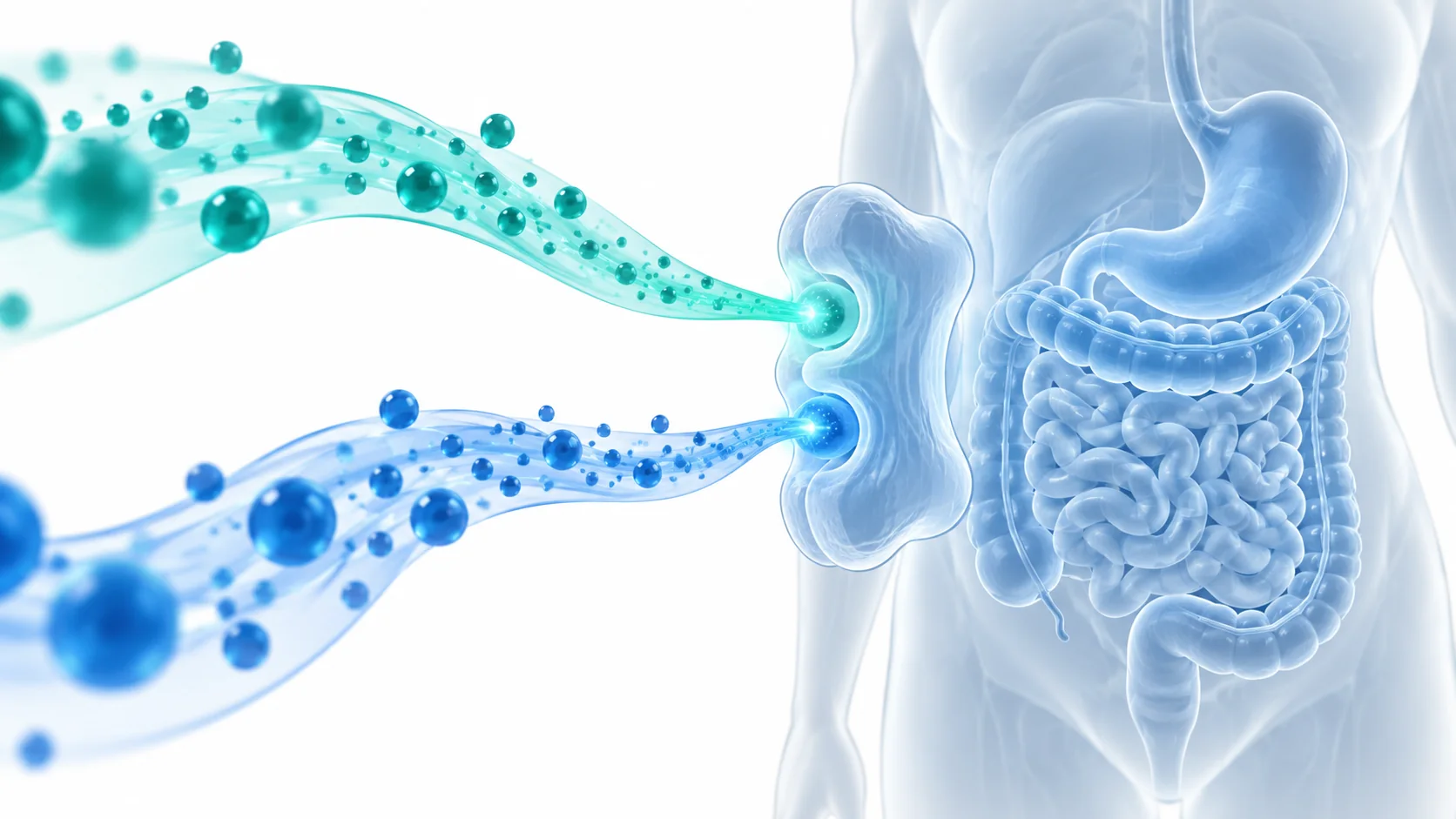
Tirzepatide is a once-weekly injectable peptide that activates two gut-hormone receptors, GIP and GLP-1. Eli Lilly developed it as LY3298176. It was approved in the US as Mounjaro for type 2 diabetes in 2022 and as Zepbound for weight management in 2023, and Zepbound also covers obstructive sleep apnea. Since August 2026 Mounjaro also covers cutting the risk of heart attack, stroke and cardiovascular death in high-risk type 2 diabetes.
It is a 39-amino-acid peptide built on the GIP sequence, with a fatty acid chain that binds albumin and stretches its half-life to about five days. For research it comes as freeze-dried powder: Simms Research sells Tirzepatide (GLP-2) in 10mg, 20mg, 30mg and 60mg vials.
How tirzepatide causes its side effects
Tirzepatide imitates two hormones the gut releases after a meal. Both make the pancreas release insulin only while blood sugar is rising, so tirzepatide on its own rarely drives blood sugar too low.
Its effect on weight runs mostly through the brain. GIP and GLP-1 receptors sit in the regions that set appetite, so people feel full sooner and eat less. Tirzepatide also slows the stomach, most of all after the first dose.
The same mechanism explains the side effects. A slower stomach and a quieter appetite produce the nausea, fullness, burping and constipation, and eating far less drives most tiredness and later hair shedding. The GIP half helps here: in mice, rats and shrews, GIP receptor activation blocked the vomiting GLP-1 drugs cause while keeping their effect on food intake (Borner, Diabetes, 2021).
Tirzepatide peaks in the blood about 24 hours after an injection (anywhere from 8 to 72 hours), which lines up with the day-after nausea and tiredness many people describe.
Common side effects of tirzepatide
The clearest data come from the Zepbound weight-loss trials, in which 2,519 adults took tirzepatide for up to 72 weeks against placebo (Jastreboff, New England Journal of Medicine, 2022; Garvey, The Lancet, 2023). The table lists every side effect seen in at least 2% of them and more often than on placebo, by weekly dose.
| Side effect | Placebo | 5mg | 10mg | 15mg |
|---|---|---|---|---|
| Nausea | 8% | 25% | 29% | 28% |
| Diarrhea | 8% | 19% | 21% | 23% |
| Vomiting | 2% | 8% | 11% | 13% |
| Constipation | 5% | 17% | 14% | 11% |
| Stomach pain | 5% | 9% | 9% | 10% |
| Indigestion | 4% | 9% | 9% | 10% |
| Injection site reactions | 2% | 6% | 8% | 8% |
| Fatigue | 3% | 5% | 6% | 7% |
| Allergic-type reactions | 3% | 5% | 5% | 5% |
| Burping | 1% | 4% | 5% | 5% |
| Hair loss | 1% | 5% | 4% | 5% |
| Acid reflux | 2% | 4% | 4% | 5% |
| Dizziness | 2% | 4% | 5% | 4% |
| Gas | 2% | 3% | 3% | 4% |
| Bloating | 2% | 3% | 3% | 4% |
| Low blood pressure | 0% | 1% | 1% | 2% |
Read the placebo column first. 8% of people on placebo reported nausea and 8% diarrhea, so the gap between the columns is what tirzepatide adds. Outside the digestive side effects, that gap is a few points.
Most side effects were mild to moderate. In the diabetes trials behind Mounjaro, rates were lower still: nausea 12–18% (4% on placebo), diarrhea 12–17% and vomiting 5–9%.
Nausea, vomiting and diarrhea
Nausea is the most common side effect of tirzepatide, and it is front-loaded. Most nausea, vomiting and diarrhea in the trials came while the dose was being raised and eased with time, and few found it bad enough to stop: 1.9–4.3% quit over digestive side effects, against 0.5% on placebo.
Constipation, indigestion, reflux and bloating
Constipation (11–17%) comes from slower digestion plus eating less food and fiber overall, and fluids and fiber handle most of it. Indigestion (9–10%), acid reflux (4–5%), gas and bloating (3–4% each) come from the same slowed stomach and follow the same early-weeks pattern.
Burping and sulfur burps
Burping affected 4–5% of people on tirzepatide against 1% on placebo. The foul, egg-smelling version known as sulfur burps comes from food sitting longer in a slowed stomach. Large or fatty meals are the usual trigger, and smaller, lighter meals the usual fix.
Injection site and allergic reactions
Mild redness, itching or bruising where the injection went in affected 6–8% of people (2% on placebo). Most people on tirzepatide develop antibodies to it, 64.5% in the weight-loss trials. They don’t change how well it works, but people who had them got more of these skin reactions (11.3% against 1%). Allergic-type reactions, mostly mild rashes and itching, affected 5% against 3%, and severe ones 0.1%.
Dizziness and low blood pressure
Dizziness affected 4–5% of people (2% on placebo) and low blood pressure 1–2%, more often in people already on blood pressure medication or low on fluids. Resting heart rate rises by 1 to 3 beats per minute on average.
Hair loss
Hair loss affected 4–5% of people against 1% on placebo, almost all of them women: 7.1% of women against 0.5% of men. Nobody stopped over it. It is telogen effluvium, temporary shedding tied to fast weight loss, and the hair grows back, as Does tirzepatide cause hair loss? explains.
Fatigue
Fatigue affected 5–7% against 3% on placebo, usually as a low-energy day or two after the injection in the first weeks and after dose increases, mostly from eating and drinking far less. Does tirzepatide make you tired? covers what helps.
Less common side effects
A few appeared in under 1% of people but more often than on placebo: dry mouth or throat (1%), a changed sense of taste (0.4%) and dysesthesia, a tingling, burning or tender skin sensation (0.2–0.4%). Blood tests can also show the pancreatic enzymes amylase and lipase up 20–35% with no sign of pancreatitis.
Serious side effects of tirzepatide
Serious side effects are rare. In the Zepbound weight-loss trials most affected under 1 in 100 people, and pancreatitis and gallstones ran level with placebo.
| Side effect | Tirzepatide | Placebo |
|---|---|---|
| Acute pancreatitis | 0.2% | 0.2% |
| Gallstones | 1.1% | 1% |
| Gallbladder inflammation | 0.7% | 0.2% |
| Acute kidney injury | 0.5% | 0.2% |
| Severe allergic reaction | 0.1% | 0% |
| Severe digestive side effects | 1.7–3.1%, by dose | 1% |
| Low blood sugar, with type 2 diabetes | 4.2% | 1.3% |
Pancreatitis is the one people ask about most, and the trial data are clear: 0.2% on tirzepatide, 0.2% on placebo. Across the larger diabetes program it came to about 2 cases per 1,000 patient-years, against about 1 on comparison drugs.
Gallbladder problems are tied to the weight loss itself. Gallstones follow fast weight loss by any method, including dieting and bariatric surgery.
Kidney injury (0.5% against 0.2%) is tied to dehydration: most reported cases followed vomiting or diarrhea that left people dehydrated.
Low blood sugar is a consideration only alongside insulin or a sulfonylurea. Without diabetes, readings below 54 mg/dL occurred in 0.3% of people.
The thyroid warning comes from rats. In a two-year rat study tirzepatide caused thyroid C-cell tumors; a study in mice found none, and no link has been established in people. The label keeps it off-limits for anyone with a personal or family history of medullary thyroid carcinoma or multiple endocrine neoplasia type 2 (MEN 2).
Muscle loss on tirzepatide is ordinary for the amount of weight lost. In a SURMOUNT-1 body-composition substudy, about 75% of the weight lost was fat and 25% lean mass, the same split as on placebo (Look, Diabetes, Obesity and Metabolism, 2025). Enough protein and resistance training keep more of the muscle.
Tirzepatide side effects compared with semaglutide and retatrutide
Head to head, tirzepatide is the easier drug to stay on. In SURMOUNT-5, 751 adults with obesity took the highest dose they tolerated of tirzepatide or semaglutide for 72 weeks. Half as many stopped tirzepatide over digestive side effects (2.7% against 5.6%), and it took off more weight (20.2% against 13.7%) (Aronne, New England Journal of Medicine, 2025).
In type 2 diabetes the rates ran level with semaglutide 1mg: nausea 17–22% against 18%, diarrhea 13–16% against 12% and vomiting 6–10% against 8% (Frías, New England Journal of Medicine, 2021).
Retatrutide, which adds the glucagon receptor, follows the same pattern: in its 80-week phase 3 trial in 2,339 adults, digestive side effects were again the most common (Jastreboff, New England Journal of Medicine, 2026). Retatrutide vs Tirzepatide compares the two.

Side effects that come from the vial, not the molecule
Every figure above describes tirzepatide made to pharmaceutical standards, with each dose known exactly. Research tirzepatide, sold for laboratory research only, is the same molecule as freeze-dried powder, and those figures carry over only when the vial holds what its label says and is mixed and injected cleanly.
Injection technique
Redness, a small lump or tenderness where the needle went in usually comes from the injection itself and settles on its own. A new spot each week, a dry alcohol swab, a fine insulin syringe and a vial warmed to room temperature all cut it down.
Reconstitution
Water without a preservative, a reused syringe or an unswabbed stopper can let bacteria into a vial that gets pierced for weeks, bringing fever, chills or a hot, swollen injection spot. Bacteriostatic water prevents most of it. Zepbound’s own multi-dose vials carry 0.9% benzyl alcohol, the same preservative at the same strength, and How to Reconstitute Tirzepatide gives the water for each vial.
Purity, identity and content
Net peptide content. A vial labeled 10mg that actually holds 13mg makes every measured amount 30% stronger than intended, which on tirzepatide means the nausea and vomiting of a dose increase. An underfilled vial does the opposite and looks like the compound isn’t working. Only a content test catches either.
Purity. HPLC shows how much of the powder is the intended peptide. The rest is mostly incomplete or altered peptide chains left over from synthesis, and impurities of that kind can raise the risk of immune reactions.
Identity. Mass spectrometry (LC-MS) confirms the molecule is tirzepatide at all. Without it, a vial’s identity rests on its label.
Endotoxins and sterility. Bacterial endotoxins cause fever, chills, aches and inflamed injection sites, reactions that are easy to mistake for tirzepatide side effects. Endotoxin and sterility tests rule them out.
Every Simms Research batch is tested by an independent ISO-certified lab before sale. The current tirzepatide batch, 2026-TZ295, tested at 99.777% purity by RP-HPLC with identity confirmed by LC-MS, 10.57mg against a 10mg label across three vials, and passing endotoxin, heavy metal and microbial results. The tirzepatide lab results list every batch, and how to read a peptide COA explains each field.
Does the injection route change tirzepatide side effects?
Subcutaneous injection
Every trial injected tirzepatide under the skin of the belly, thigh or upper arm, so every figure above describes that route. The three spots give the same blood levels, and about 80% of each dose reaches the bloodstream.
Intramuscular injection
No published study has given tirzepatide into muscle, which absorbs faster than the fat under the skin, so the trial figures don’t describe it.
Oral and sublingual tirzepatide
None is approved. Digestive enzymes break peptides down, and no published human data exist for tirzepatide drops or tablets.
What makes tirzepatide side effects more likely?
Climbing too fast. Digestive side effects track the dose and how fast it rises. In tirzepatide’s first phase 2 trial, 66% of the 15mg group had nausea, diarrhea or vomiting, against 10% on placebo (Frías, The Lancet, 2018). A follow-up testing three ways to climb found lower starting doses and smaller steps brought fewer side effects (Frías, Diabetes, Obesity and Metabolism, 2020).
Measuring errors. A vial leaves the measuring to the person drawing it. By May 31, 2026 the FDA held more than 730 adverse event reports for compounded tirzepatide, and it flags dosing errors, some ending in hospital: doses measured wrong or raised faster than the label allows. With compounded semaglutide, a poison center traced tenfold overdoses to mix-ups between milliliters, units and milligrams (Lambson, Journal of the American Pharmacists Association, 2023).
Other medicines. Insulin and sulfonylureas raise the risk of low blood sugar, and a slower stomach changes how pills are absorbed, birth control pills and warfarin among them.
Existing conditions. The label rules tirzepatide out after a personal or family history of medullary thyroid carcinoma or MEN 2 or a serious allergic reaction to it, advises against it in severe gastroparesis and says to stop it in pregnancy. Diabetic retinopathy can worsen for a time when blood sugar falls fast, and a slow stomach can still hold food during surgery.
How to reduce tirzepatide side effects
Start low and climb slowly. The approved schedule starts at 2.5mg a week for four weeks and adds 2.5mg no sooner than every four weeks, up to 15mg, to cut digestive side effects. Staying on a step longer while nausea settles is within it, and Tirzepatide Dosage sets out every step.
Eat for a slower stomach. Smaller, lower-fat meals, stopped at fullness, ease nausea, reflux and sulfur burps. Steady fluids guard against dehydration, and fiber handles most constipation.
Measure in milligrams. Work out the units for each dose with the peptide calculator before drawing it.
Keep the vial clean and cold. Swab the stopper, use a new syringe each time, and keep a mixed vial in the fridge for up to 28 days, as Do Peptides Need to Be Refrigerated? explains.
Log each dose. A note of the dose, day, injection spot and any reaction shows what a side effect follows.
Frequently asked questions
Is tirzepatide safe?
The clinical evidence says yes. More than 14,000 people took it in its main trials, with mild, temporary digestive side effects for many and rare serious ones. In the weight-loss trials 93–95% stayed on it, and most of the 4.8–6.7% who stopped over side effects, against 3.4% on placebo, did so in the first months.
Does tirzepatide cause long-term damage?
No new harm has shown up with time. Over 176 weeks in 1,032 people with obesity and prediabetes, tirzepatide raised no new safety signals, and 1.3% developed type 2 diabetes against 13.3% on placebo (Jastreboff, New England Journal of Medicine, 2025). In SURPASS-CVOT, 13,299 adults with type 2 diabetes and heart disease took tirzepatide or dulaglutide for a median of about four years, and tirzepatide carried an 8% lower risk of heart attack, stroke or cardiovascular death, enough to show it at least as good but not better (Nicholls, New England Journal of Medicine, 2025).
What should you do about a severe side effect?
Stop and get medical help for severe stomach pain that won’t go away, sometimes reaching the back, which can mean pancreatitis, and for swelling of the face, lips or throat or trouble breathing. Upper stomach pain with fever or yellowing skin points to the gallbladder, and vomiting or diarrhea that won’t stop needs fluids and a doctor.
When do tirzepatide side effects start, and do they go away?
Most start within days of the first dose or a dose increase and fade over the following weeks. In the three-year SURMOUNT-1 follow-up, digestive side effects clustered in the first 20 weeks, while the dose was being raised.
With a half-life of about five days, tirzepatide clears over roughly a month after the last dose.
Do tirzepatide side effects get worse at higher doses?
Less than most people expect. From 5mg to 15mg, nausea held at 25–29%, hair loss at 4–5% and fatigue at 5–7%, and constipation fell from 17% to 11%. Vomiting and diarrhea rose modestly, from 8% to 13% and from 19% to 23%.
Does tirzepatide cause headaches?
Some people get them, but headache isn’t among the side effects the Zepbound label lists as more common than placebo. When they happen, dehydration and eating too little are the usual causes.
Does tirzepatide cause depression or anxiety?
No. In January 2026 the FDA asked for the suicidal thoughts warning to come off Zepbound, Wegovy and Saxenda after a review of 91 placebo-controlled trials with 107,910 patients found no increased risk of suicidal thoughts, depression or anxiety. The Zepbound label dropped it in February 2026.
Does tirzepatide affect birth control?
It can make birth control pills less reliable, because slower stomach emptying reduces how much hormone is absorbed. The label advises switching to a non-oral method or adding a barrier method for four weeks after starting and for four weeks after each dose increase. Non-oral hormonal methods aren’t affected.