

Blog
TB-500 Dosage Chart and Calculator: Loading and Maintenance for Injury Recovery
TB-500 dosage for the 10mg vial: loading and maintenance draws in units with 2mL of bac water, weekly and daily schedules, how long a vial lasts and what the batch report shows.


TB-500 is the synthetic seven-amino-acid stretch of thymosin beta-4 that binds actin, the scaffolding a cell takes apart and rebuilds whenever it moves. Research uses it in tendon, muscle and skin-wound models, and it is one of the few repair peptides measured out in milligrams: larger injections twice a week to load, then a smaller weekly one to maintain.
Simms Research stocks TB-500 as a single 10mg vial for $66. All the unit counts here are for that vial mixed with 2mL of bac water, a mix that gives about two weeks of loading injections per vial.
TB-500 dosage calculator
Pick the water and the dose, and the calculator gives the units to draw on a U-100 insulin syringe. It opens on a 10mg vial with 2mL and a 2mg dose: 40 units.
TB-500 dosage chart
Loading and maintenance injections are 2 to 2.5mg each; the daily schedule that some protocols follow instead uses 500mcg to 1mg. A 10mg vial holding 2mL puts 500mcg behind each 10-unit mark of an insulin syringe (U-100):
| Dose | Schedule it belongs to | Insulin-syringe units | Doses in one vial |
|---|---|---|---|
| 500mcg | Daily, low end | 10 units | 20 |
| 1mg | Daily, high end | 20 units | 10 |
| 2mg | Loading or maintenance | 40 units | 5 |
| 2.5mg | Loading or maintenance | 50 units | 4 |
| 5mg | Heavy loading | 100 units, the whole 1mL syringe | 2 |
Loading injections are the bulky ones: 40 to 50 units nearly fills a 0.5mL syringe, and a 5mg heavy-loading dose needs the whole of a 1mL syringe, up to its 100 mark. For the small daily amounts, a 0.3mL syringe marked in single units is the easier read.
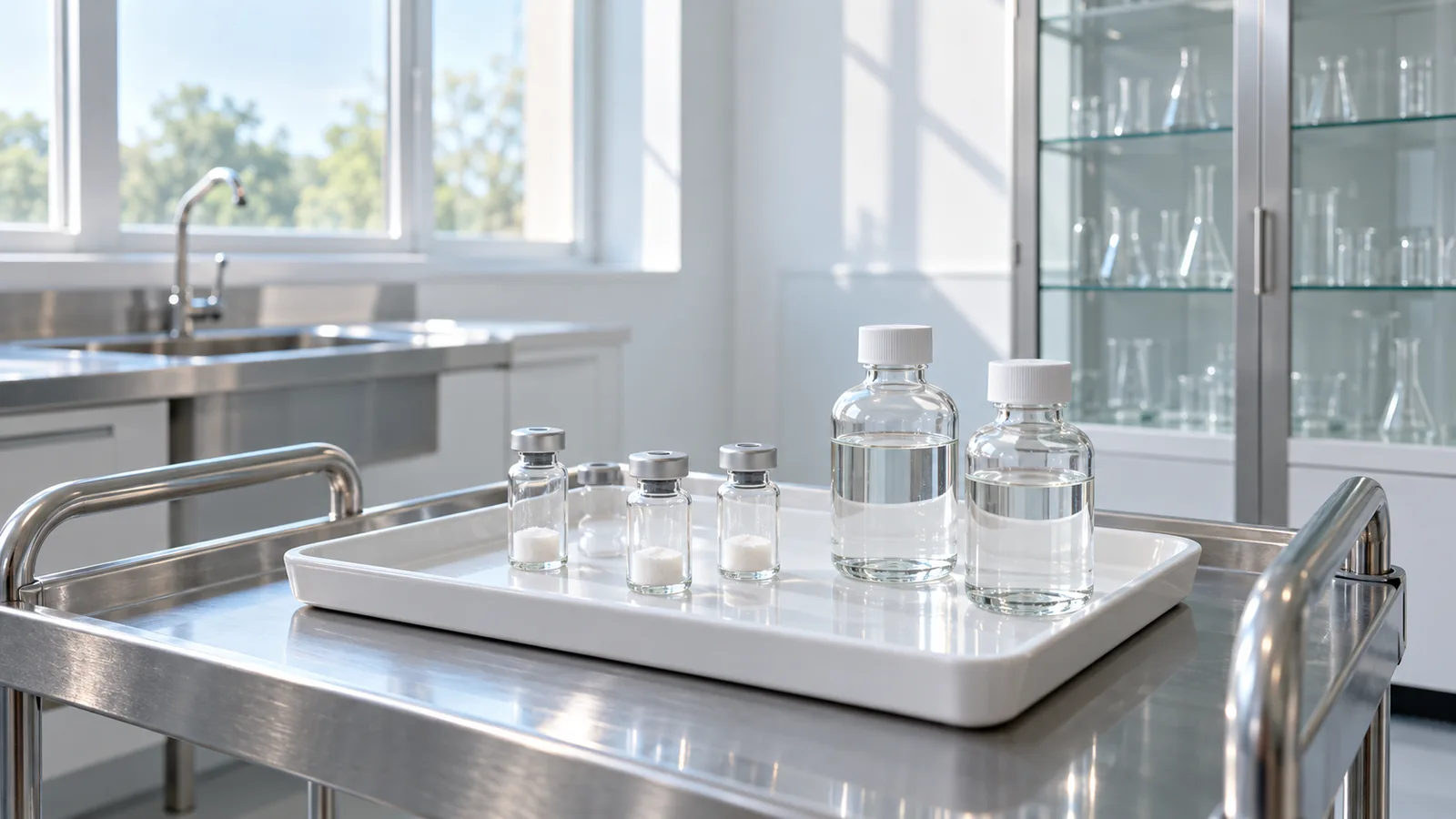
TB-500 10mg reconstitution
Add 2mL of bacteriostatic water. The vial then holds 5mg per mL, which makes 10 units 500mcg and 40 units 2mg, the figures the chart above is built on.
Aim the stream at the inside wall so it trickles onto the powder, and swirl gently instead of shaking. Being only seven amino acids long, TB-500 dissolves in a minute or two and leaves the vial water-clear. Mark the date it was mixed and refrigerate it; how to reconstitute peptides walks through the whole routine.
A $20 bottle of Research Water from Simms Research holds 10mL, enough for five TB-500 vials. Why a vial in use for weeks needs the benzyl alcohol in bacteriostatic water, where plain sterile water falls short, is in the bac water guide.
This chart covers one mix, 10mg with 2mL. For a 5mg vial, another volume of water or an amount not in the table, the peptide calculator returns the units. Charts built on 3 or 5mL of water make each unit weaker, so their unit counts don’t carry over to a 2mL vial.
TB-500 loading and maintenance protocol
Most guides converge on one schedule: 2 to 2.5mg per injection, twice weekly for the first four to six weeks, then once weekly. From a 2mL mix each injection in both phases is 40 to 50 units, so the draw stays the same and only the spacing changes.
Loading puts more peptide in while repair is under way; maintenance keeps it going on half the weekly total. Twice-weekly injections usually fall on a Monday and a Thursday, and maintenance keeps one of the two days. Some protocols load harder, at 2.5mg three times a week or 5mg twice a week (7.5 to 10mg weekly), and then maintain at 2.5 to 5mg a week.
TB-500 cycle length
Six to twelve weeks from start to finish, with maintenance running about as long as loading did, or until the work is done. Protocols then pause for four to eight weeks before another cycle. That pause is convention: no trial has ever tested one cycle length against another.
TB-500 dosage per week and per day
4 to 5mg a week while loading and 2 to 2.5mg a week on maintenance, given as one or two injections. The weekly totals of each schedule side by side:
| Schedule | Units per injection | TB-500 per week |
|---|---|---|
| 2mg twice a week (loading) | 40 units | 4mg |
| 2.5mg twice a week (loading) | 50 units | 5mg |
| 5mg twice a week (heavy loading) | 100 units | 10mg |
| 2 to 2.5mg once a week (maintenance) | 40 to 50 units | 2 to 2.5mg |
| Daily at 500mcg | 10 units | 3.5mg |
| Daily at 1mg | 20 units | 7mg |
Daily protocols are the alternative, at 500mcg to 1mg a day, often begun at the lower figure and raised over the opening weeks. They reach roughly the loading total in smaller, steadier pieces, and they sit close to the only injury study run on TB-500 itself. That 2026 Achilles tendon study gave rats 60mcg per kilogram daily for four weeks; the body-surface conversion regulators use for first human doses turns that into about 680mcg a day for a 70kg adult.
Twice-weekly dosing leans on a long half-life that no study has measured for TB-500. The data that exists points the other way: in a 2024 metabolism study, rats cut TB-500 into short fragments within hours, the main one peaking inside the first six hours. Both rhythms are widely used, and they have never been tested against each other.
How long a TB-500 10mg vial lasts
About two weeks of standard loading, or four weeks of maintenance. Loading is what empties vials fast:
| Schedule | One vial covers | Vials needed for 4 weeks |
|---|---|---|
| 2mg twice a week | 5 injections, about 2.5 weeks | 2 |
| 2.5mg twice a week | 4 injections, 2 weeks | 2 |
| 5mg twice a week | 2 injections, 1 week | 4 |
| 2.5mg once a week | 4 injections, 4 weeks | 1 |
| Daily at 500mcg | 20 days | 2 |
| Daily at 1mg | 10 days | 3 |
Six weeks of loading plus six of maintenance uses four vials at 2mg per injection and five at 2.5mg. A mixed vial is replaced after 28 days, so weekly 2mg maintenance retires each vial with 2mg still in it: four injections per vial at either dose.
TB-500 vs thymosin beta-4
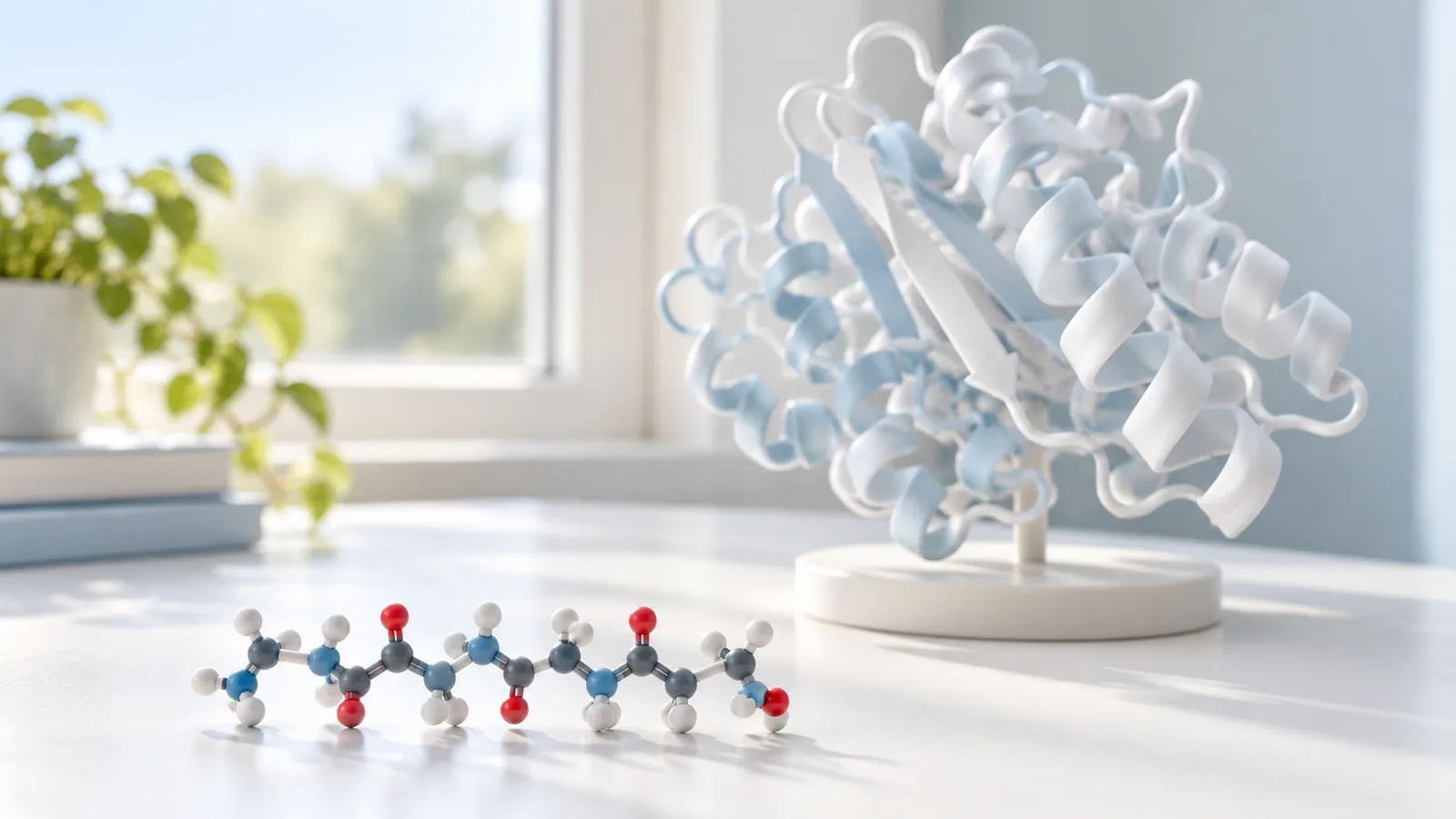
Two different molecules. Thymosin beta-4 is the full protein: 43 amino acids, present in almost all of the body’s cells, weighing 4,963 daltons. TB-500 copies only residues 17 through 23, Ac-LKKTETQ, built synthetically with an acetyl group at its start, and weighs 889. That short peptide is what Simms Research puts in the vial.
The size gap changes what a milligram means. By molecule count, a milligram of TB-500 matches roughly 5.6 milligrams of the full protein, with one actin-binding site on each molecule of either. The 2 to 2.5mg figure comes from no published study of either molecule, and a good share of the research quoted for TB-500 was run on thymosin beta-4. The Wolverine stack dosage guide sets out the molecule arithmetic.
TB-500 benefits in the research
Faster repair of tendon and skin, in animals. In the 2026 Achilles study, rats on daily TB-500 for four weeks finished with repaired tendons about 39% stronger than untreated rats, the only group whose gain reached statistical significance, and with the best-organised collagen of the four groups. In 2003 an NIH team found the seven-amino-acid peptide sped wound repair in aged mice roughly as well as the full protein.
The rest of the record, from heart muscle after a heart attack to hair growth and the cornea, belongs to full-length thymosin beta-4; BPC-157 vs TB-500 compares the two peptides tissue by tissue. The 2024 metabolism study added a twist: in fibroblasts, the wound-closing effect came from one of TB-500’s breakdown fragments, Ac-LKKTE, rather than from the intact peptide.
How long before TB-500 works
The research reads its results in weeks: the tendon study at four, and the first thymosin beta-4 skin-wound study within one. Protocols run on the same clock, judging the loading phase at four to six weeks before stepping down to maintenance.
TB-500 side effects
The usual report is no effect at all apart from the injection. The biggest safety record is for the full protein: in a 2010 trial with 40 healthy volunteers, intravenous thymosin beta-4 was given daily for two weeks at doses from 42mg up to 1,260mg, and side effects were infrequent and mild or moderate, with no dose-limiting toxicity and nothing serious. Counted in molecules, even that 42mg floor equals roughly 7.5mg of TB-500 a day. The 2024 metabolism study found neither TB-500 nor its fragments toxic to cells in culture.
People running TB-500 protocols also describe tiredness or a heavy, lethargic feeling on loading days, the odd headache, and redness or a short sting at the spot where a 40- or 50-unit draw went in.
What the TB-500 batch report shows
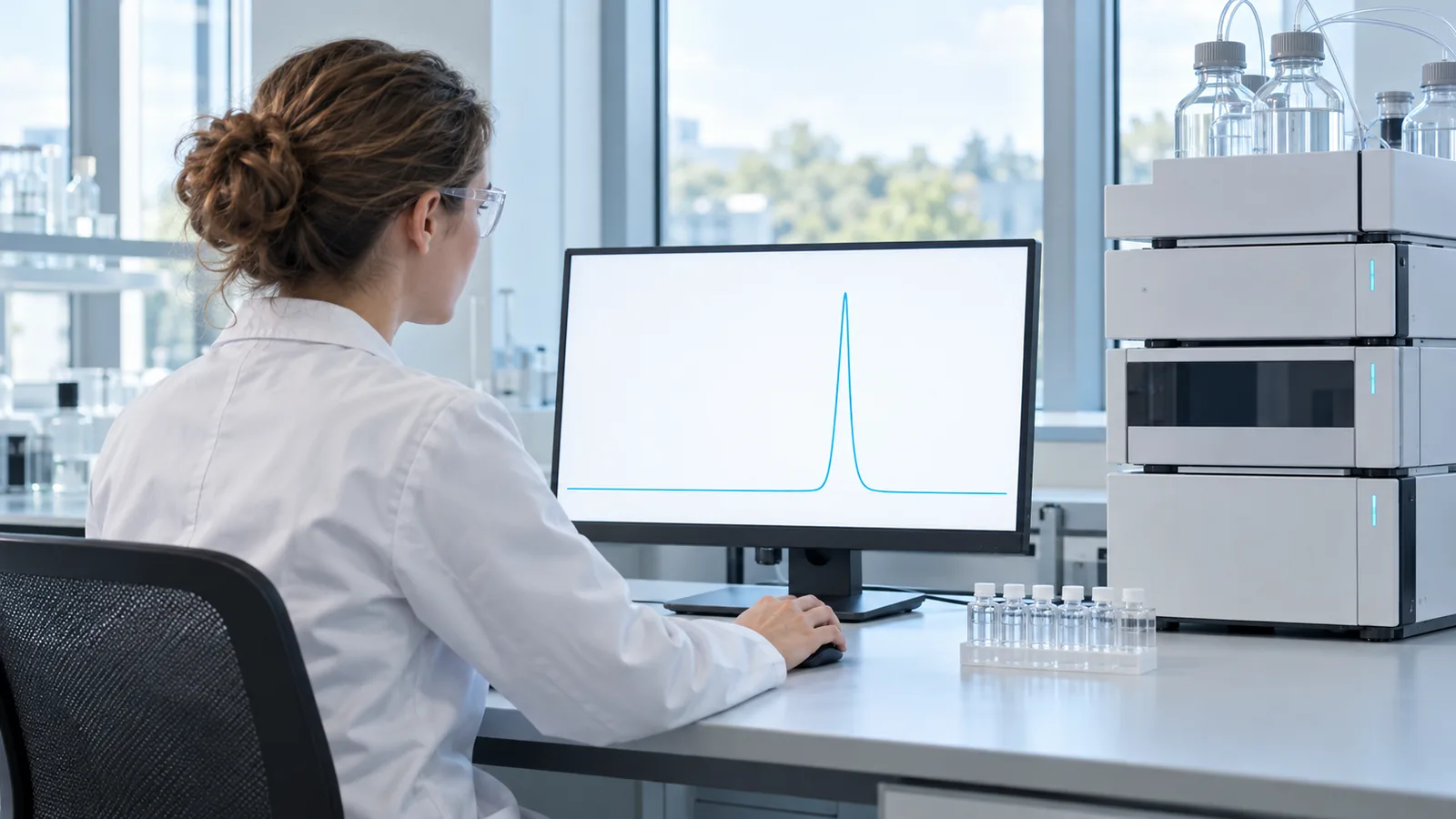
TB-500 from Simms Research came in above its 10mg label at more than 99.6% purity. Three vials from the current batch were each measured on their own by an independent ISO-certified lab, in results dated July 16, 2026:
| Vial | Purity (HPLC) | TB-500 measured |
|---|---|---|
| Vial one | 99.772% | 10.45mg |
| Vial two | 99.638% | 10.71mg |
| Vial three | 99.625% | 10.16mg |
| Average of the three | 99.678% | 10.44mg |
RP-HPLC set the purity, and LC-MS confirmed the identity as TB-500. The heavy-metal panel (arsenic, cadmium, lead, mercury) came back negative, the endotoxin screen passed and the sterility culture showed no growth. This is the first TB-500 batch Simms Research has published.
Measured against the chart, a 10.44mg vial in 2mL puts about 2.6mg into 50 units instead of 2.5mg, some 4% above each row. Put 10.44mg into the calculator as the vial’s contents and the units it returns fit this batch. The certificate itself is on the TB-500 lab results page; the COA reading guide explains what every field means.
Frequently asked questions
How many units of TB-500 per injection?
From the 2mL mix, 40 to 50 units on the loading and maintenance schedule, at two injections a week and then one. On a daily schedule it is 10 to 20 units.
How much bac water for TB-500 10mg?
2mL, which puts 500mcg in 10 units, 2mg in 40 and 2.5mg in 50.
Can TB-500 be injected daily?
It can. A daily schedule runs 500mcg to 1mg, 3.5 to 7mg across a week, and the only injury study of TB-500 itself dosed it daily (Biçer, Joint Diseases and Related Surgery, 2026).
How long does TB-500 last once mixed?
Four weeks, refrigerated. Unmixed, the powder stays stable at room temperature for weeks at a time, so it travels without cold packs; storage for both states is in the peptide refrigeration guide.
How long does TB-500 stay in your system?
In rats, its most persistent fragment still showed up in urine 72 hours after a dose (Rahaman, Journal of Chromatography B, 2024). Anti-doping labs screen for TB-500 and its fragments, and WADA bans thymosin beta-4 and its derivatives in and out of competition.
What about a 5mg vial of TB-500?
Mixed with 1mL, a 5mg vial matches the strength of the 10mg vial with 2mL, so the same chart works and the vial simply holds half as many doses.
Does oral or nasal TB-500 work?
Every study behind these numbers injected it. Capsule and nasal versions exist, but none of the units here apply to them.
Can TB-500 be taken with BPC-157?
Yes. That pairing is the Wolverine stack, run either from separate vials, each on its own timetable, or premixed 1:1 in the Wolverine Peptide Stack. The Wolverine stack dosage guide maps both, and the BPC-157 dosage chart covers BPC-157 alone.
Is TB-500 in Glow and Klow?
Yes, 10mg in each vial, next to 50mg of GHK-Cu. The copper peptide sets the draw, so 2mg of GHK-Cu brings 400mcg of TB-500 with it; the Glow peptide dosage guide has the units.
Is TB-500 approved as a drug?
No. It is sold by Simms Research for lab research only.