

Guide
Do Peptides Need to Be Refrigerated?
Powder peptides handle room temperature for weeks; mixed vials need the fridge. How long peptides last at room temperature, in the fridge and frozen.

Peptides only strictly need to be refrigerated once they’re reconstituted. As a dry, freeze-dried powder, most peptides handle room temperature for weeks, which is why they ship without ice. Keep powder in the fridge or freezer for storage, keep mixed vials in the fridge, and use a mixed vial within about four weeks.
Powder (lyophilized) peptides don’t need refrigeration for short periods: they’re stable at room temperature for weeks to months, belong in the fridge for everyday storage, and in the freezer for the long term. Reconstituted peptides do need refrigeration at 36–46°F (2–8°C) and last up to 28 days in bacteriostatic water, less for fragile sequences.
Do peptides need to be refrigerated?
It depends on whether the peptide is still a powder. Research peptides are sold as lyophilized powder, freeze-dried until almost no water is left. Without water, the reactions that break peptides down, such as hydrolysis, deamidation and oxidation, slow to a crawl, so a sealed vial of powder tolerates room temperature far better than most people expect. Add water and those reactions restart, and bacteria finally have something to grow in. From that point on, the vial needs the fridge.
So there are two answers. A sealed vial of powder doesn’t need refrigeration to survive shipping or a few days on a counter, though it keeps longest cold. A reconstituted vial needs to be refrigerated between every use.
What is a lyophilized peptide?
A lyophilized peptide is one that has been freeze-dried. The peptide is dissolved, frozen, and then held under a vacuum so the ice turns straight to vapor without melting, leaving a dry cake or powder at the bottom of the vial. It’s the standard form for research peptides because it’s the most stable way to store and ship them. Most lyophilized peptides are white; GHK-Cu and blends that contain it are blue from the copper.
Lyophilized powder is hygroscopic, meaning it pulls moisture out of the air. That’s why a cold vial should come up to room temperature before it’s opened: open it cold and condensation forms on the powder, adding back exactly the water that freeze-drying removed.
Do powder form peptides need to be refrigerated before reconstitution?
Not strictly, but the fridge is where they belong. Peptide manufacturers ship lyophilized powder at ambient temperature, and dry peptides stay stable at room temperature for weeks to months. For storage between delivery and use, the standard is a refrigerator at 36–46°F (2–8°C) for the near term and a freezer at −4°F (−20°C) or colder for anything longer.
Simms Research ships every peptide as lyophilized powder, and its product pages give the same instruction: keep refrigerated at 36–46°F (2–8°C). Put a new delivery in the fridge the day it arrives, and keep the vials sealed, dark and dry until you’re ready to reconstitute.
How long do peptides last in powder form?
Longer than in any other form. Sealed and dry, most peptides last weeks to months at room temperature, months in the refrigerator, and several years in a freezer at −4°F (−20°C) or below. Cold slows every breakdown pathway, and dryness takes away the water most of them need.
| Form | Room temperature | Refrigerator, 36–46°F (2–8°C) | Freezer, −4°F (−20°C) |
|---|---|---|---|
| Lyophilized powder | Weeks to months | Months | Several years |
| Reconstituted | Hours; back in the fridge the same day | Up to 28 days, less for fragile peptides | Months as single-use portions; never refreeze a vial you draw from |
Two things shorten powder life: moisture, from opening a cold vial or a loose cap, and repeated swings in temperature. The sequence matters too. Peptides containing cysteine, methionine or tryptophan oxidize more easily, and those containing asparagine or glutamine break down faster once they’re wet.
How long do peptides last at room temperature?
As powder, weeks to months, which is why a few days in transit or a week in a drawer won’t ruin a sealed vial. Heat still counts: a summer mailbox or a parked car runs far hotter than room temperature, so bring deliveries inside promptly. The Miami heat guide covers hot-weather deliveries in detail.
Reconstituted, the window is hours, not days. Water plus warmth speeds up both chemical breakdown and bacterial growth, so a mixed vial should go back in the fridge right after each use. Commercial GLP-1 pens such as Mounjaro are allowed up to 21 days at room temperature, but that allowance belongs to their specific formulation and packaging. It doesn’t carry over to a research vial reconstituted with bacteriostatic water.
How long do peptides last in the fridge?
As powder, months. Reconstituted, up to 28 days for most peptides mixed with bacteriostatic water, and less for fragile sequences.
How long do reconstituted peptides last in the fridge?
The 28-day ceiling comes from the water, not the peptide. Bacteriostatic water contains 0.9% benzyl alcohol, a preservative that holds back bacteria carried in each time a needle goes through the stopper. CDC guidance for multi-dose vials is to date them when first opened and discard them after 28 days unless the manufacturer says otherwise. Mixed with plain sterile water, which has no preservative, a vial has no such protection, so plan to use it much sooner.
Within that window, the peptide sets the pace. Sequences containing cysteine, methionine, tryptophan, asparagine or glutamine break down faster in solution, and laboratory guidance is not to store peptide solutions long term at all. Date every vial the day you reconstitute it, keep it upright and away from light, and finish it within four weeks.
Does retatrutide need to be refrigerated?
Yes once it’s reconstituted, and ideally before. Retatrutide is an investigational peptide that acts on GLP-1, GIP and glucagon receptors, supplied for research as a lyophilized powder. As powder it follows the same rules as other peptides: stable enough to ship at room temperature and to sit out for days or weeks without harm, but best kept in the refrigerator at 36–46°F (2–8°C), or in the freezer for long-term storage. Freezing the dry powder doesn’t damage it.
Once reconstituted, keep retatrutide refrigerated between uses and use it within 28 days. Its approved relatives show why the rules depend on the form. Tirzepatide (Mounjaro) is stored refrigerated but can spend up to 21 days unrefrigerated at up to 86°F (30°C), and semaglutide (Ozempic) can be kept for up to 56 days after first use at room temperature or in the fridge. Both are finished drug products with stabilizing formulations behind them. A research vial reconstituted with bacteriostatic water has none of that, so treat it as fridge-only once it’s mixed.
How to store peptides
Good peptide storage comes down to three enemies, water, heat and light, and one habit: never letting a vial swing between cold and warm more than it has to.
When a delivery arrives, bring it inside the same day and put the sealed vials in the refrigerator. Anything you won’t use for a few months keeps better in the freezer.
Before opening a vial, let it come up to room temperature on the bench so moisture doesn’t condense on the powder.
When reconstituting, wipe the stopper with alcohol, run the bacteriostatic water slowly down the inside wall of the vial, and swirl gently instead of shaking. The Simms peptide reconstitution calculator works out the concentration and volume.
After reconstituting, write the date on the vial and store it upright in the fridge at 36–46°F (2–8°C), on a shelf rather than the door, where the temperature swings most. Wipe the stopper again before every draw.
For the long term, keep powder sealed in the freezer. A solution that has to last longer than a few weeks is better split into single-use portions and frozen once, because every freeze and thaw breaks peptides down a little more.
Against light, keep vials in their box or another dark container, since light speeds up oxidation of sensitive residues.
What if a peptide was left out of the fridge?
A sealed vial of powder left out overnight, over a weekend, or for a few weeks in a cool, dark drawer is fine: put it back in the fridge and carry on. Powder that spent days somewhere hot, such as a car or a summer mailbox, is less certain.
A reconstituted vial left out for a few hours or overnight at normal room temperature, or in a fridge left open for a few hours, is usually still usable. Return it to the fridge and keep counting its 28 days from the original reconstitution date. If it was out for a day or more, sat somewhere warm, or shows any cloudiness, floating particles or change in color, throw it away.
Shipping follows the same logic. Dry powder is meant to travel at ambient temperature, so a box that arrives warm isn’t a problem as long as the vials are sealed and the powder looks intact.
Frequently asked questions
Can you freeze peptides?
Yes. As powder, the freezer is the best long-term storage and doesn’t damage dry peptides. Reconstituted peptides can be frozen once in single-use portions, but a vial you draw from shouldn’t be refrozen.
Do peptides need to be refrigerated after reconstitution?
Yes. Keep reconstituted peptides at 36–46°F (2–8°C) between uses and finish them within 28 days.
Does bacteriostatic water need to be refrigerated?
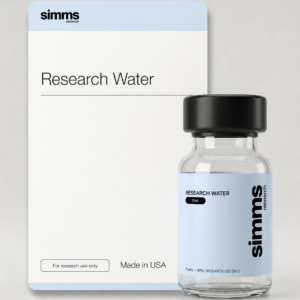
Not before it’s opened: the label calls for room temperature, 68–77°F (20–25°C). Once the vial is punctured, date it and use it within 28 days.
Do peptides need to be shipped cold?
No. Lyophilized peptides are shipped at ambient temperature, which the dry powder tolerates for weeks.
How can you tell if a peptide has gone bad?
In solution, look for cloudiness, particles or a change in color. As powder, look for clumping, a sticky texture or a cake that has shrunk or melted, all signs of moisture. Only a lab test confirms potency, which is what a batch certificate of analysis shows at the time of testing.