

Blog
What Are the Side Effects of Tirzepatide? All Side Effects Explained 2026
Every tirzepatide side effect from the trials: nausea, constipation, fatigue, hair loss and the rare serious ones, plus how it works and whether it is safe.


What is tirzepatide?
Tirzepatide is a once-weekly injectable peptide that activates two gut-hormone receptors: GIP (glucose-dependent insulinotropic polypeptide) and GLP-1 (glucagon-like peptide-1). Eli Lilly developed it under the code LY3298176. It was approved in the US in 2022 as Mounjaro for type 2 diabetes and in 2023 as Zepbound for chronic weight management. Zepbound is also approved for obstructive sleep apnea in adults with obesity, and since August 2026 the Mounjaro label also covers lowering the risk of heart attack, stroke and cardiovascular death in adults with type 2 diabetes at high risk.
Structurally, tirzepatide is a 39-amino-acid peptide built on the GIP sequence. Two aminoisobutyric acid (Aib) substitutions, at positions 2 and 13, shield it from DPP-4, the enzyme that breaks down natural GIP and GLP-1 within minutes. A 20-carbon fatty acid chain attached to lysine 20 lets it bind albumin in the blood, which stretches its half-life to about five days and makes weekly dosing possible. For research, it is supplied as a freeze-dried powder: Simms Research lists it as Tirzepatide (GLP-2 TZ) in 10mg, 20mg, 30mg and 60mg vials.
This article walks through tirzepatide’s side effects: how it works, how common each one is, how long they last, hair loss, tiredness and long-term safety. Side effects are what most people want to understand before starting tirzepatide, and knowing what’s common, what’s rare and what’s temporary sets clear expectations from the first dose.
How does tirzepatide work?
Tirzepatide imitates two hormones the gut releases after a meal. GIP and GLP-1 both tell the pancreas to release insulin when blood sugar is rising, and tirzepatide also lowers glucagon, the hormone that pushes blood sugar up, and makes the body more sensitive to insulin. Because the insulin effect depends on glucose being high, tirzepatide on its own rarely drives blood sugar too low.
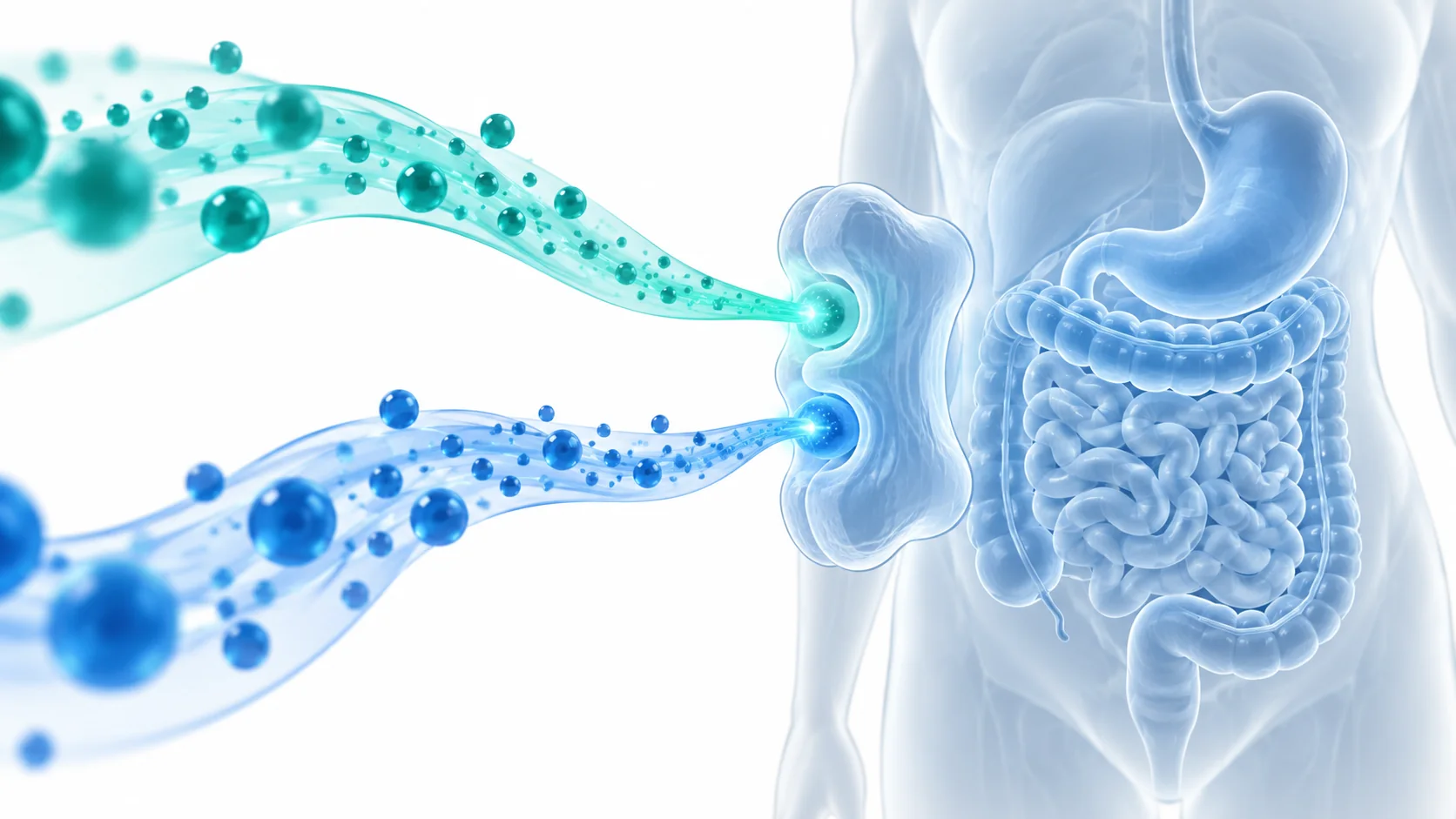
The effect on weight runs mostly through the brain. GIP and GLP-1 receptors sit in the regions that regulate appetite, and in animal studies tirzepatide reaches and activates neurons there. People feel full sooner and eat less. Tirzepatide also slows how fast the stomach empties, an effect that is strongest after the first dose and fades over the following weeks. In the trials, more of the weight lost was fat than lean mass.
The same mechanism explains the side effects people do get. A slower stomach and a quieter appetite produce the nausea, fullness, burping and constipation, and eating much less than usual accounts for most tiredness and, in some people, hair shedding months later. The GIP half of the molecule works in tirzepatide’s favor here: animal research shows GIP receptor activation calms the brainstem signals that make GLP-1 drugs nauseating. That fits the head-to-head SURMOUNT-5 trial, where half as many people quit tirzepatide over digestive side effects as quit semaglutide (2.7% against 5.6%).
Tirzepatide peaks in the blood about 24 hours after an injection (anywhere from 8 to 72 hours) and reaches a steady level after four weekly doses. That timing lines up with the day-after nausea and tiredness many people describe. The approved dosing starts at 2.5mg a week for four weeks and steps up by 2.5mg no sooner than every four weeks, to a maximum of 15mg a week. The label gives the slow climb one purpose: reducing digestive side effects.
What are the side effects of tirzepatide?
The clearest side-effect data come from the Zepbound weight-loss trials, SURMOUNT-1 and SURMOUNT-2, in which 2,519 adults took tirzepatide for up to 72 weeks alongside a placebo group. The table lists every side effect that occurred in at least 2% of people on tirzepatide and more often than on placebo, by weekly dose.
| Side effect | Placebo | 5mg | 10mg | 15mg |
|---|---|---|---|---|
| Nausea | 8% | 25% | 29% | 28% |
| Diarrhea | 8% | 19% | 21% | 23% |
| Vomiting | 2% | 8% | 11% | 13% |
| Constipation | 5% | 17% | 14% | 11% |
| Stomach pain | 5% | 9% | 9% | 10% |
| Indigestion | 4% | 9% | 9% | 10% |
| Injection site reactions | 2% | 6% | 8% | 8% |
| Fatigue | 3% | 5% | 6% | 7% |
| Allergic-type reactions | 3% | 5% | 5% | 5% |
| Burping | 1% | 4% | 5% | 5% |
| Hair loss | 1% | 5% | 4% | 5% |
| Acid reflux | 2% | 4% | 4% | 5% |
| Dizziness | 2% | 4% | 5% | 4% |
| Gas | 2% | 3% | 3% | 4% |
| Bloating | 2% | 3% | 3% | 4% |
| Low blood pressure | 0% | 1% | 1% | 2% |
Read the placebo column first. A share of what gets blamed on tirzepatide happens without it: 8% of people on placebo reported nausea and 8% diarrhea. The gap between the columns is what tirzepatide actually adds, and outside the digestive side effects that gap is a few percentage points.
Digestive side effects are the main ones, and most were mild to moderate. In the diabetes trials behind Mounjaro, rates were lower still: nausea 12–18% (4% on placebo), diarrhea 12–17% and vomiting 5–9%.
Nausea, vomiting and diarrhea
Nausea is the most common side effect of tirzepatide, and it is front-loaded. Most nausea, vomiting and diarrhea in the trials happened while the dose was being raised and eased with time. Few people found it bad enough to stop: 1.9–4.3% quit over digestive side effects, against 0.5% on placebo.
Constipation, indigestion, reflux and bloating
Constipation (11–17%) comes from slower digestion plus eating less food and fiber overall, and fluids and fiber handle most of it. Indigestion (9–10%), acid reflux (4–5%), gas and bloating (3–4% each) come from the same slowed stomach and follow the same early-weeks pattern.
Burping and sulfur burps
Burping affected 4–5% of people on tirzepatide against 1% on placebo. The foul, egg-smelling version known as sulfur burps comes from food sitting longer in a slowed stomach. Large or fatty meals are the usual trigger, and smaller, lighter meals the usual fix.
Injection site and allergic reactions
Mild redness, itching or bruising where the injection went in affected 6–8% of people (2% on placebo). Most people on tirzepatide develop antibodies to it, 64.5% in the weight-loss trials. The antibodies don’t change how well it works, but people who had them got more of these skin reactions (11.3% against 1%). Allergic-type reactions, mostly mild rashes and itching, affected 5% against 3% on placebo, and severe ones 0.1%.
Dizziness and low blood pressure
Dizziness affected 4–5% of people (2% on placebo) and low blood pressure 1–2%, more often in people already on blood pressure medication or low on fluids. Resting heart rate rises by 1 to 3 beats per minute on average.
Less common side effects
A few side effects appeared in under 1% of people but more often than on placebo: dry mouth or throat (1%), a changed sense of taste (0.4%) and dysesthesia, an abnormal skin sensation such as tingling, burning or tenderness to touch (0.2–0.4%). Blood tests can show the pancreatic enzymes amylase and lipase rising by 20–35% on average without any sign of pancreatitis. On their own, those rises have no known significance.
Serious side effects of tirzepatide
Serious side effects are rare. In the Zepbound weight-loss trials most affected under 1 in 100 people, and pancreatitis and gallstones ran level with placebo.
| Side effect | Tirzepatide | Placebo |
|---|---|---|
| Acute pancreatitis | 0.2% | 0.2% |
| Gallstones | 1.1% | 1% |
| Gallbladder inflammation | 0.7% | 0.2% |
| Acute kidney injury | 0.5% | 0.2% |
| Severe allergic reaction | 0.1% | 0% |
| Severe digestive side effects | 1.7–3.1%, by dose | 1% |
| Low blood sugar, with type 2 diabetes | 4.2% | 1.3% |
Pancreatitis is the one people ask about most, and the trial data are clear: 0.2% on tirzepatide, 0.2% on placebo. Across the larger diabetes program it came to about 2 cases per 1,000 patient-years, against about 1 on comparison drugs.
Gallbladder problems are tied to the weight loss itself. Gallstones follow fast weight loss by any method, including dieting and bariatric surgery.
Kidney injury (0.5% against 0.2%) is tied to dehydration: most reported cases followed vomiting or diarrhea that left people dehydrated.
Low blood sugar is a consideration only alongside insulin or a sulfonylurea. Without diabetes, readings below 54 mg/dL occurred in 0.3% of people.
The thyroid warning comes from rats. In a two-year rat study tirzepatide caused thyroid C-cell tumors; a study in mice found none, and no link has been established in people. The label keeps it off-limits for anyone with a personal or family history of medullary thyroid carcinoma or multiple endocrine neoplasia type 2 (MEN 2).
The label also flags two situational points: existing diabetic retinopathy can worsen temporarily when blood sugar improves quickly, and a slowed stomach can still hold food at the time of surgery, so anesthesia teams ask about it.
When do tirzepatide side effects start and how long do they last?
Most side effects start within days of the first dose or a dose increase and fade over the following weeks. In the three-year SURMOUNT-1 follow-up, digestive side effects clustered in the first 20 weeks, the period when the dose was being raised. Most people who stopped because of side effects did so in the first few months.
Within a week the pattern is predictable. Tirzepatide peaks in the blood about a day after the injection, so any nausea, fullness or tiredness usually lands on day one or two and eases well before the next dose. With a half-life of about five days, tirzepatide clears over roughly a month after the last dose.
Tirzepatide and hair loss
Hair loss was reported by 4–5% of people on tirzepatide in the Zepbound trials against 1% on placebo, almost all of them women, and nobody stopped treatment because of it. It is telogen effluvium, temporary shedding tied to the weight loss, and the hair grows back. The full breakdown, including when it starts and how to prevent it, is in Does tirzepatide cause hair loss?
Tirzepatide and fatigue
Fatigue was reported by 5–7% of people on tirzepatide against 3% on placebo, usually as a low-energy day or two after the injection in the first weeks and after dose increases, and mostly driven by eating and drinking far less than usual. Why it happens, how long it lasts and what helps are covered in Does tirzepatide make you tired?
Is tirzepatide safe?
The clinical evidence says yes. Tirzepatide has been tested in more than 14,000 people across its main trials, and the results are consistent: mild, temporary digestive side effects for many people and rare serious ones.
Long-term data. In the three-year SURMOUNT-1 extension, in 1,032 people with obesity and prediabetes, no new safety signals emerged. In SURPASS-CVOT, 13,299 adults with type 2 diabetes and heart disease took tirzepatide or dulaglutide, an established GLP-1 drug with proven heart benefits, for a median of about four years. Tirzepatide carried an 8% lower risk of heart attack, stroke or cardiovascular death (hazard ratio 0.92), enough to prove it at least as good, though not enough to prove it better. The Mounjaro label added heart-risk reduction in August 2026.
Mental health. In January 2026 the FDA asked for the suicidal thoughts and behavior warning to be removed from Zepbound, Wegovy and Saxenda. Its review of 91 placebo-controlled trials with 107,910 patients found no increased risk of suicidal thoughts, depression, anxiety or other psychiatric effects. The Zepbound label dropped the warning in February 2026.
Tolerability. 93–95% of people in the weight-loss trials stayed on tirzepatide without side effects stopping them. The 4.8–6.7% who stopped compare with 3.4% on placebo, and most of them stopped in the first months over digestive side effects.
Exceptions. The label excludes a short, specific list: a personal or family history of medullary thyroid carcinoma or MEN 2, a previous serious allergic reaction to tirzepatide, severe gastroparesis and pregnancy.
Is tirzepatide safer than semaglutide?
On tolerability, the head-to-head data favor tirzepatide. In SURMOUNT-5, 751 adults with obesity took the highest tolerated dose of one or the other for 72 weeks. Half as many people stopped tirzepatide over digestive side effects (2.7% against 5.6%), and tirzepatide produced more weight loss (20.2% against 13.7%). Both drugs’ side effects were mostly digestive, mild to moderate, and concentrated in the dose-escalation period.
Side effects that come from the vial, not the molecule
Every figure above describes tirzepatide made to pharmaceutical standards, with the dose in each pen known exactly. Research-grade tirzepatide is the same molecule sold as freeze-dried powder, and those figures only carry over when the vial holds what its label says. Researchers who switch suppliers often describe side effects changing from one vial to the next, and four tests on a certificate of analysis explain why.

Net peptide content. A vial labeled 10mg that actually holds 13mg makes every measured amount 30% stronger than intended, which on tirzepatide means the nausea and vomiting of a dose increase. An underfilled vial does the opposite and looks like the compound isn’t working. Only a content test catches either.
Purity. HPLC shows how much of the powder is the intended peptide. The rest is mostly incomplete or altered peptide chains left over from synthesis, and impurities of that kind can raise the risk of immune reactions.
Identity. Mass spectrometry (LC-MS) confirms the molecule is tirzepatide at all. Without it, a vial’s identity rests on its label.
Endotoxins and sterility. Bacterial endotoxins cause fever, chills, aches and inflamed injection sites, reactions that are easy to mistake for tirzepatide side effects. Endotoxin and sterility tests rule them out.
Simms Research publishes the certificate for every batch. Its current tirzepatide batch, 2026-TZ295, tested at 99.777% purity by RP-HPLC with identity confirmed by LC-MS, 10.57mg of peptide measured against a 10mg label across three vials, and passing results for endotoxins, heavy metals and microbial sterility. The tirzepatide lab results page lists every batch, and how to read a peptide COA explains each field. Handling counts too: once reconstituted, tirzepatide belongs in the fridge and should be used within 28 days, as covered in Do peptides need to be refrigerated?
Frequently asked questions
Do tirzepatide side effects get worse at higher doses?
Less than most people expect. From 5mg to 15mg, nausea held at 25–29%, hair loss at 4–5% and fatigue at 5–7%, and constipation fell from 17% to 11%. Vomiting and diarrhea rose modestly, from 8% to 13% and from 19% to 23%.
Does tirzepatide cause headaches?
Some people get them, but headache isn’t among the side effects the Zepbound label lists as more common than placebo. When they happen, dehydration and eating too little are the usual causes.
Does tirzepatide cause muscle loss?
Some lean mass is lost with any large weight loss, but in the trials more of the weight lost on tirzepatide was fat than lean mass. Enough protein and resistance training are the standard ways to keep more muscle.
Does tirzepatide cause depression or anxiety?
The evidence says no. The FDA’s 2026 review of 91 placebo-controlled trials found no increased risk of depression, anxiety or suicidal thoughts, and the warning was removed from the Zepbound label.
Does tirzepatide affect birth control?
It can make birth control pills less reliable, because slower stomach emptying reduces how much hormone is absorbed. The label advises switching to a non-oral method or adding a barrier method for four weeks after starting and for four weeks after each dose increase. Non-oral hormonal methods aren’t affected.
Does tirzepatide cause thyroid cancer?
No link has been established in people. The boxed warning comes from a two-year rat study; a study in mice found no tumors. People with a personal or family history of medullary thyroid carcinoma or MEN 2 don’t use it.
Is research tirzepatide the same as Mounjaro or Zepbound?
It is the same molecule in a different product. Mounjaro and Zepbound are finished injectable solutions with approved labels. Research tirzepatide is a freeze-dried powder sold for laboratory research use only, and its quality depends on the supplier’s testing.